
Buying a home is one of the biggest financial decisions most Americans will ever make — and one of the easiest places to make a costly mistake.
The real question isn’t how much a lender will approve, but how much you can afford without putting your financial stability at risk. A mortgage that looks manageable on paper can quickly become stressful when it starts limiting your ability to save, invest, or handle unexpected expenses.
True affordability is not about the price of the home — it’s about how the monthly cost fits into your real life, your goals, and your future flexibility.
Understanding this difference is what separates a confident homebuyer from someone who becomes house-rich and cash-poor.
Key Takeaways
- Affordability is about monthly payments, not home price alone
- Lenders use income ratios, but you should use stricter personal limits
- Housing costs include much more than the mortgage
- Taxes, insurance, interest rates, and debt all change what you can afford
- A realistic budget matters more than a bank’s maximum approval
What “Affording a House” Really Means
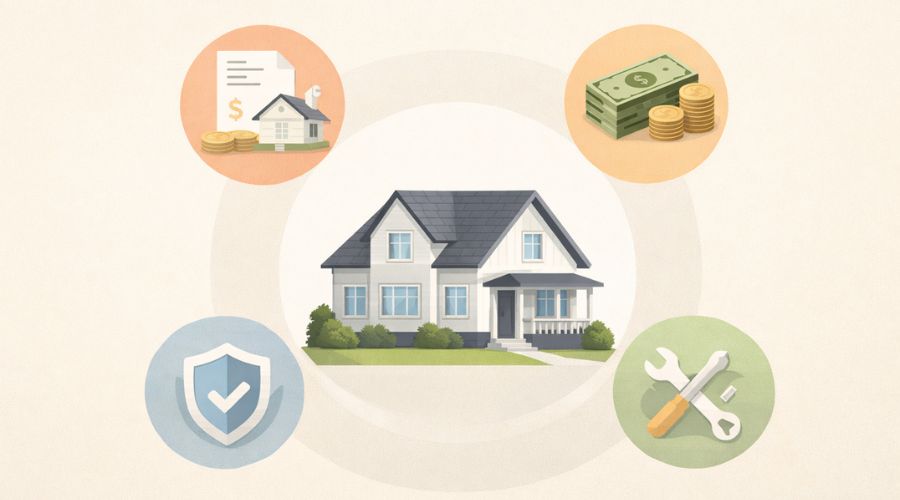
When people ask how much house they can afford, they often mean one of two things:
- What price home a lender will approve
- What payment fits safely into their life and budget
These are not the same thing.
From a financial education perspective, affordability means:
You can comfortably make the monthly housing payment while still saving, handling emergencies, and meeting other financial goals.
That monthly housing payment is commonly called PITI, which includes:
- Principal (loan repayment)
- Interest (cost of borrowing)
- Property taxes
- Homeowners insurance
In many cases, it also includes:
- HOA fees
- Private mortgage insurance (PMI)
How Lenders Decide How Much You Can Afford
In the U.S., mortgage lenders primarily rely on debt-to-income (DTI) ratios. These guidelines are influenced by federal mortgage rules and widely used by banks, credit unions, and government-backed loan programs.
The Two Key DTI Ratios
| Ratio Type | What It Measures | Common Guideline |
|---|---|---|
| Front-end DTI | Housing costs vs. gross income | ~28% |
| Back-end DTI | All debts vs. gross income | ~36%–43% |
Important: Some loan programs allow higher ratios, especially with strong credit or larger down payments. Approval does not equal affordability.
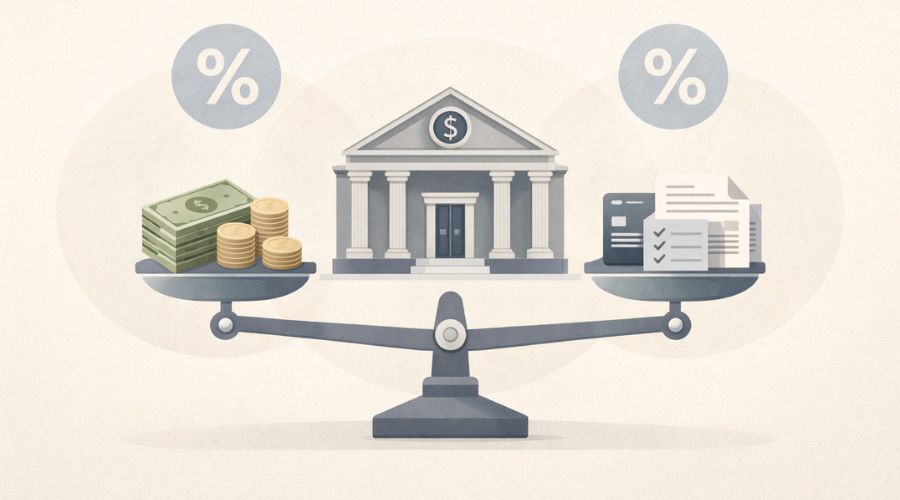
Federal guidance on mortgage underwriting is overseen by agencies such as the Consumer Financial Protection Bureau, but individual lenders still have flexibility.
Gross Income vs. Take-Home Pay (A Critical Difference)
Lenders use gross income — your income before taxes and deductions.
Your real life uses net (take-home) pay.
That gap matters because:
- Federal and state taxes vary widely
- Health insurance, retirement contributions, and payroll deductions reduce cash flow
- Two people with the same salary can have very different spending power
A safe affordability estimate should always be based on take-home pay, not just gross income.
A Practical Rule-of-Thumb (For Real Life)
Many financial educators recommend a more conservative approach than lenders:
Keep total housing costs at or below 25%–30% of your take-home pay.
This leaves room for:
- Emergency savings
- Retirement contributions
- Medical expenses
- Transportation
- Childcare or education costs
- Lifestyle flexibility
Example (Simple Illustration)
- Monthly take-home pay: $5,000
- Safer housing range: $1,250–$1,500/month
- This includes mortgage, taxes, insurance, and HOA
This approach prioritizes financial stability, not just loan approval.
Housing Costs Most People Underestimate
A mortgage payment is only part of the picture. Many first-time buyers underestimate these ongoing costs:
- Property taxes (can rise over time)
- Homeowners insurance (higher in disaster-prone states)
- Maintenance and repairs
- Utilities (often higher than renting)
- HOA fees
- Special assessments (condos and townhomes)
Ignoring these costs can turn an “affordable” home into a financial strain.
Why Interest Rates Change Everything
Your income may stay the same, but interest rates dramatically affect affordability.
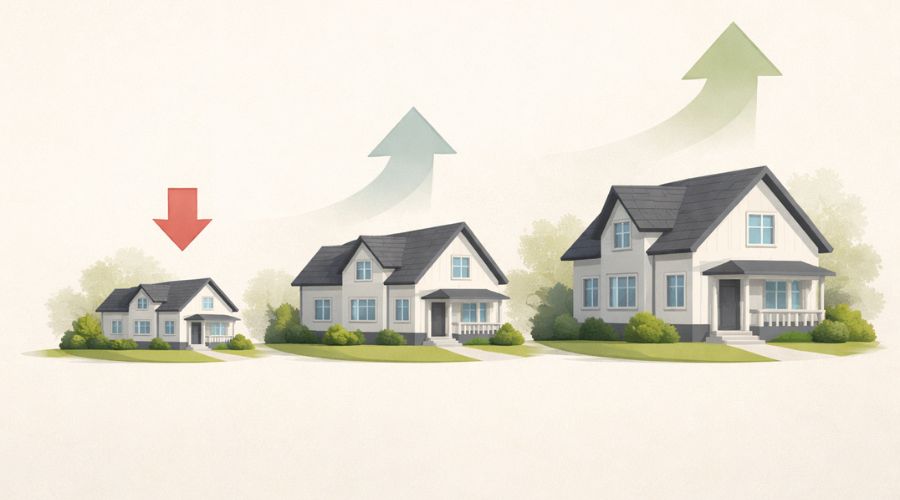
At higher rates:
- The same monthly payment supports a much lower home price
- Total interest paid over time increases significantly
This is why two buyers with the same income in different years may afford very different homes.
Now that we understand how income, debt, and interest rates shape affordability, the next step is translating a safe monthly budget into a realistic home price.
Step-by-Step: Estimating How Much House You Can Afford
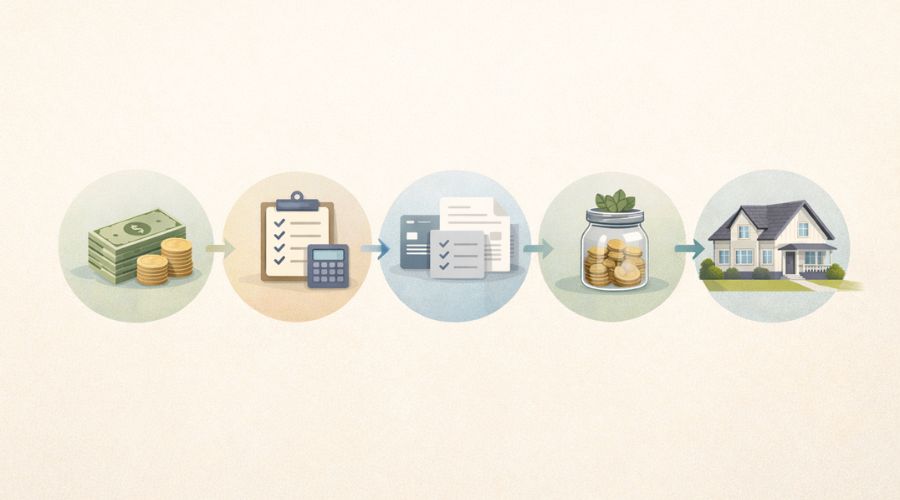
Rather than starting with a home price, it’s more accurate to work from your income outward. This approach reflects how money actually flows in everyday life.
Step 1: Know Your Monthly Take-Home Pay
Start with your net monthly income, not your salary.
Include:
- Pay after federal, state, and local taxes
- After health insurance, retirement, and payroll deductions
- Stable income only (exclude unpredictable bonuses or overtime)
If your income varies, use a conservative average.
Step 2: Set a Safe Housing Budget
A commonly recommended personal limit is:
25%–30% of monthly take-home pay for total housing costs
This is stricter than most lenders but far more realistic.
| Take-Home Pay | 25% | 30% |
|---|---|---|
| $4,000 | $1,000 | $1,200 |
| $5,000 | $1,250 | $1,500 |
| $6,000 | $1,500 | $1,800 |
This amount should cover:
- Mortgage principal & interest
- Property taxes
- Homeowners insurance
- HOA fees (if applicable)
- PMI (if applicable)
Step 3: Subtract Existing Monthly Debts
Before committing to housing costs, account for existing obligations:
- Auto loans
- Student loans
- Credit card minimums
- Personal loans
- Child support or alimony
Even if lenders allow higher debt levels, your monthly budget feels the impact immediately.
A good personal benchmark:
Total debt payments (including housing) should ideally stay below 35%–40% of take-home pay
Step 4: Account for Upfront Cash Requirements
Affordability isn’t only monthly.
You also need to plan for:
- Down payment
- Closing costs (often 2%–5% of purchase price)
- Initial repairs, furnishings, and moving costs
- Emergency savings after closing
Buying a home that drains your savings can create serious risk, even if the payment seems manageable.
Real-Life Example: Same Income, Different Outcomes
Two households earn $90,000 per year.
Household A
- No car payment
- Low student loans
- Modest lifestyle
- 20% down payment
Household B
- Two car loans
- Student loan debt
- Credit card balances
- 5% down payment
Even with the same income:
- Household A can afford a higher monthly payment safely
- Household B faces tighter cash flow and higher risk
Income alone never tells the full story.
Who This Income-Based Approach Works Best For
This method is especially useful if you:
- Want long-term financial stability
- Plan to save for retirement consistently
- Expect life changes (children, job changes, caregiving)
- Prefer flexibility over maximum leverage
It may feel conservative, but it aligns better with real-world expenses.
Who Should Be Extra Careful Using Income-Only Estimates
Income-based rules can overestimate affordability if you have:
- Variable or commission-based income
- High healthcare or childcare costs
- Significant student loan obligations
- Plans to relocate or change careers
- Homes in areas with rapidly rising taxes or insurance
In these cases, a custom monthly budget matters more than any ratio.
Common Mistakes People Make When Estimating Affordability
These mistakes show up repeatedly among U.S. homebuyers:
- Using lender approval numbers as a spending target
- Ignoring future property tax increases
- Forgetting maintenance and repair costs
- Assuming income will always rise
- Underestimating insurance in disaster-prone states
- Buying at the top of their comfort zone with no margin
Small miscalculations can become long-term financial stress.
Myths vs. Facts About How Much House You Can Afford
| Myth | Reality |
|---|---|
| “If I’m approved, I can afford it” | Approval is a lending decision, not a budgeting one |
| “Renting costs more, so buying is always better” | Ownership has hidden and variable costs |
| “I’ll refinance later if it’s tight” | Refinancing depends on rates, income, and credit |
| “My income will increase soon” | Income growth is never guaranteed |
With a clear monthly budget in place, the next step is understanding how income translates into actual home prices once interest rates, down payments, and loan terms are considered.
How Income Translates Into an Actual Home Price
Once you know a safe monthly housing payment, the next step is understanding how that payment turns into a realistic home price. This is where interest rates, loan terms, down payments, and local costs come into play.
There is no single home price that fits an income. The same income can support very different purchase prices depending on these factors.
The Four Factors That Convert Income Into Home Price
1. Mortgage Interest Rate
Interest rates have a huge impact on affordability.
- Higher rates = lower home price for the same payment
- Lower rates = higher home price for the same payment
Even a 1% difference can change buying power by tens of thousands of dollars over the life of a loan.
Important: Rates vary daily and depend on credit score, loan type, and market conditions.
2. Loan Term (Usually 30 vs. 15 Years)
| Loan Term | Monthly Payment | Total Interest |
|---|---|---|
| 30-year | Lower | Much higher over time |
| 15-year | Higher | Significantly lower |
Most Americans use 30-year fixed-rate mortgages because they keep payments manageable. A 15-year loan increases affordability pressure even though it saves interest.
3. Down Payment Size
Your down payment affects:
- Loan amount
- Monthly payment
- Whether PMI is required
- Overall financial risk
| Down Payment | Key Impact |
|---|---|
| 20% | No PMI, lower payment |
| 10% | Lower loan but PMI likely |
| 3%–5% | Higher payment + PMI |
Smaller down payments can work, but they reduce flexibility and increase long-term cost.
4. Local Taxes and Insurance
Two identical homes can have very different monthly costs depending on location.
- Property tax rates vary by state and county
- Insurance is higher in areas prone to floods, hurricanes, fires, or earthquakes
- HOA fees can materially change affordability
This is why any affordability estimate should account for local data, not just national averages.
Example: Same Income, Different Home Prices
Assume:
- Monthly housing budget: $1,500
- 30-year fixed mortgage
- Moderate credit
- Typical U.S. taxes and insurance
| Interest Rate | Approx. Home Price |
|---|---|
| 5.5% | Higher |
| 6.5% | Noticeably lower |
| 7.5% | Much lower |
The payment stays the same — the house price changes.
This is why focusing only on income without considering rates leads to unrealistic expectations.
Why “Price-to-Income” Ratios Can Be Misleading
You may hear rules like:
- “Buy a house worth 3× your income”
- “Four times your salary is reasonable”
These rules ignore:
- Interest rate environment
- Taxes and insurance
- Existing debt
- Family size and expenses
- Regional housing costs
In high-cost areas, these ratios often overestimate affordability. In lower-cost areas, they may underestimate it.
Monthly cash flow always matters more than ratios.
How Existing Debt Shrinks Buying Power
Even modest debts can reduce affordability:
- $400 car payment
- $250 student loan
- $100 credit card minimum
That’s $750 per month before housing.
Lenders factor this into approval, but your personal comfort level should be stricter. Higher debt reduces resilience if income drops or expenses rise.
The Role of Credit in Affordability
Your credit profile affects:
- Interest rate offers
- PMI costs
- Loan approval flexibility
Better credit doesn’t just improve approval odds — it can significantly lower monthly payments, increasing safe affordability without increasing income.
Where Estimation Tools and Scenarios Help
At this stage, simple estimation tools or scenario comparisons can be helpful because they:
• Translate monthly budgets into rough price ranges
• Show how interest rate changes affect payments
• Account for taxes, insurance, and PMI
• Help test “what-if” scenarios safely
These estimates are most useful after you’ve already set a realistic payment limit, not before.
A Quick Reality Check Before Moving On
Before looking at listings, ask yourself:
- Can I still save every month after this payment?
- Do I have an emergency fund after closing?
- Would this payment still work if income dropped temporarily?
- Am I relying on future raises to stay comfortable?
If the answer to any of these is “no,” the home is likely too expensive — even if a lender approves it.
Understanding these factors helps explain why buying at the maximum approval amount often leads to financial strain, which is why the next section focuses on when buying less than the maximum makes sense.
Buying Below Your Maximum: When It’s Smart — and When Stretching Is Risky

Just because you can afford a certain payment on paper doesn’t mean you should. Many long-term financial problems tied to homeownership come from buying at the absolute top of one’s budget.
Understanding when to stay conservative — and when modest flexibility may be reasonable — is critical.
Situations Where Buying Below Your Maximum Is the Safer Choice
In most cases, choosing a home below your maximum affordable payment leads to better long-term outcomes, especially if any of the following apply.
1. Your Income Is Variable or Not Guaranteed
If your income depends on:
- Commissions or bonuses
- Freelance or contract work
- Seasonal employment
- Overtime that may disappear
Then your housing payment should be well below your theoretical limit. Fixed housing costs paired with variable income increase risk quickly.
2. You Have Other Major Financial Priorities
Buying less house creates room for:
- Retirement contributions
- College savings
- Paying down high-interest debt
- Building or maintaining an emergency fund
A home should support your life — not prevent progress in other areas.
3. You Expect Life Changes Within 5–7 Years
Examples include:
- Having children
- Caring for aging parents
- Career changes
- Relocation
- One income replacing two
Stretching your budget reduces flexibility during transitions.
4. You’re a First-Time Homebuyer
First-time buyers often underestimate:
- Maintenance costs
- Repairs and replacements
- Utility changes
- Time and money spent on upkeep
Buying below your limit gives you financial margin while learning.
When Stretching Slightly May Be Reasonable
There are limited situations where a modest stretch can make sense — but only with safeguards.
Possible Justifications
- Very stable, dual-income household
- Strong emergency savings after closing
- Minimal other debt
- High confidence in long-term income continuity
- Fixed-rate mortgage (not adjustable)
Even in these cases, stretching should be intentional and temporary, not based on optimism alone.
What “Stretching” Should Not Mean
Stretching should never involve:
- Relying on future raises to afford payments
- Using all savings for the down payment
- Ignoring retirement contributions
- Choosing adjustable-rate loans to “get in cheaper”
- Assuming refinancing will always be available
These are common paths to financial stress.
How Life Stage Affects Housing Affordability
Affordability is not static. It changes with your life stage.
Early Career / Younger Households
- Income growth potential exists, but uncertainty is high
- Safer to stay conservative
- Mobility may matter more than space
Mid-Career / Established Households
- Income stability often improves
- Expenses (childcare, education) may rise
- Balanced approach is critical
Pre-Retirement / Fixed-Income Planning
- Future income may decline
- Housing payments should be manageable without raises
- Long-term affordability matters more than appreciation
A home that fits one life stage may be stressful in another.
The Psychological Trap of “House Rich, Cash Poor”
One of the most common outcomes of overbuying is becoming house rich but cash poor.
This means:
- Most income goes to housing
- Little flexibility for emergencies
- Stress around routine expenses
- Limited ability to invest or save
Homes are illiquid assets. You can’t easily access equity without selling or borrowing — often at a cost.
A Simple Affordability Stress Test
Before committing to a purchase, run this mental test:
If my housing costs increased by 10% and my income dropped by 10% for six months, would I still be okay?
If the answer is no, the payment is likely too high.
Why Affordability Is a Long-Term Question
Buying a home isn’t just about today’s income.
You’re committing to:
- 15–30 years of payments
- Variable costs (taxes, insurance, repairs)
- Market uncertainty
- Personal life changes
Affordability should be measured in resilience, not just qualification.
Understanding when to buy below your limit sets the foundation for evaluating long-term ownership costs, which often matter more than the initial mortgage payment.
Long-Term Costs Many Buyers Don’t Fully Plan For
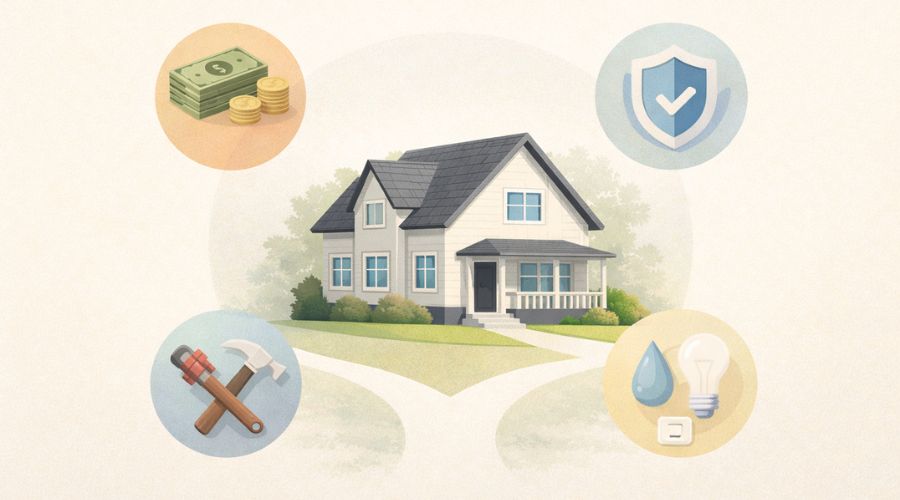
Affordability doesn’t end at closing. Some of the most damaging homeownership mistakes happen years after purchase, when costs rise but income doesn’t keep pace.
Understanding these long-term expenses is essential to deciding how much house you can truly afford.
Property Taxes: Not Fixed Forever
Property taxes are based on:
- Local tax rates
- Assessed home value
- State and county rules
Key realities:
- Taxes often increase over time
- Reassessments can follow purchases or renovations
- Local budget changes can raise rates
In some states, tax increases are capped. In others, they are not. Buyers who stretch their budgets may feel pressure quickly when taxes rise.
Important: A payment that fits today may not fit five years from now.
Homeowners Insurance: Rising Faster Than Many Expect
Insurance costs have become a major affordability issue in parts of the U.S.
Factors that increase premiums:
- Natural disaster risk (floods, hurricanes, wildfires)
- Construction costs
- Claims history in your area
- Changes in insurer availability
In some regions:
- Premiums have risen sharply in recent years
- Coverage has become harder to obtain
- Separate flood or wind insurance may be required
Insurance is not optional. If premiums rise, you must pay or risk losing coverage and your mortgage.
Maintenance, Repairs, and Replacements
Unlike rent, homeownership guarantees expenses — the timing is just uncertain.
Common long-term costs include:
- Roof replacement
- HVAC systems
- Plumbing and electrical repairs
- Appliance replacement
- Exterior maintenance
- Landscaping and drainage issues
A widely used planning guideline:
Budget 1%–3% of the home’s value per year for maintenance, depending on age and condition.
Older homes and homes in harsh climates often fall on the higher end.
HOA Fees and Special Assessments
If the property has a homeowners association:
- Monthly fees can increase
- Special assessments may be charged for major repairs
- Rules and financial management vary widely
HOA costs reduce flexibility and should be included before deciding what you can afford.
Utilities and Daily Living Costs
Many buyers underestimate:
- Heating and cooling costs
- Water and sewer charges
- Trash and municipal services
- Increased commuting costs due to location
A larger or older home often costs more to operate than expected.
How These Costs Affect Long-Term Affordability
When these expenses rise together:
- Monthly budgets tighten
- Savings rates decline
- Debt reliance increases
- Financial stress builds gradually
This is why conservative affordability planning matters more than hitting the maximum price point.
Common Affordability Misunderstandings (That Cause Trouble)
“My payment is fixed, so my costs are fixed”
Only the principal and interest are fixed on a fixed-rate loan. Taxes, insurance, and maintenance are not.
“Equity growth will protect me”
Equity doesn’t pay monthly bills. Accessing it often requires selling or borrowing — both with costs and risks.
“I’ll adjust later if it gets tight”
Adjusting later usually means:
- Cutting savings
- Taking on debt
- Delaying repairs
- Living with ongoing stress
Planning earlier is far safer.
Income Growth vs. Expense Growth
Many buyers assume income will rise faster than housing costs. That is not guaranteed.
Expenses that often rise faster than income:
- Insurance
- Healthcare
- Childcare
- Property taxes
- Repairs
Affordability should work even if income grows slowly or pauses.
A Sustainable Home Is One That Supports Your Full Financial Life
A well-chosen home allows you to:
- Save consistently
- Handle emergencies
- Adapt to life changes
- Sleep at night without payment anxiety
Maxing out affordability often undermines all four.
These long-term costs help explain why owning isn’t always the right choice for every household, which is why the next section compares affordability between renting and buying.
Renting vs. Buying: How Affordability Should Be Compared
Affording a home does not automatically mean buying is the right choice. Many Americans can technically afford a mortgage payment but still be better off renting — at least for a period of time.
The key is comparing total financial impact, not just monthly payments.
Why Mortgage Payment vs. Rent Is an Incomplete Comparison
A common mistake is thinking:
“My mortgage payment would be the same as my rent, so buying makes sense.”
That comparison ignores major ownership costs renters do not pay.
Costs Renters Usually Don’t Cover
- Property taxes
- Most maintenance and repairs
- Insurance beyond renter’s insurance
- HOA fees
- Unexpected capital expenses
When these are added, owning often costs more per month, especially in the early years.
When Buying Tends to Make Financial Sense
Buying is more likely to be affordable and practical if:
- You plan to stay in the home at least 5–7 years
- Your income is stable and predictable
- You have emergency savings after closing
- You can comfortably afford maintenance
- Housing costs fit within a conservative budget
Time matters because transaction costs (closing costs, selling costs) are high.
When Renting Can Be the Smarter Financial Choice
Renting may be the better option if:
- You expect to move within a few years
- Your income is uncertain or changing
- You are rebuilding savings or credit
- Housing prices feel stretched relative to income
- Ownership costs would limit saving or debt payoff
Renting is not “throwing money away” if it preserves flexibility and financial health.
Opportunity Cost: The Hidden Affordability Factor
Money spent on housing is money not used elsewhere.
Higher housing costs can reduce:
- Retirement contributions
- Emergency savings
- Investment growth
- Debt reduction
Two households with identical incomes can end up with very different long-term outcomes based on how much of their income goes to housing.
How Inflation Affects the Rent vs. Buy Decision
- Rent can increase over time
- Fixed-rate mortgage principal and interest do not
- Ownership costs (taxes, insurance, maintenance) still rise
This means buying can provide long-term payment stability, but only if the initial payment is affordable enough to absorb rising non-mortgage costs.
A Practical Comparison Framework
Instead of asking “Can I afford to buy?”, ask:
- Can I afford to own without sacrificing other goals?
- Would buying improve or reduce my financial flexibility?
- Does ownership fit my expected life path over the next decade?
Affordability should support your broader financial life, not crowd it out.
How to Use Income-Based Affordability in Real Decisions
At this point, income-based affordability should help you:
- Set a realistic payment ceiling
- Ignore lender approval extremes
- Narrow home searches responsibly
- Avoid financial stress traps
It is a decision-making filter, not a permission slip to spend more.
Preparing to Use a Mortgage Calculator Responsibly
A mortgage calculator becomes most useful after you’ve done the thinking above.
Used correctly, it helps:
- Translate safe monthly payments into price ranges
- Test different down payments
- Understand rate sensitivity
- Compare scenarios without risk
Used incorrectly, it can push buyers toward the maximum instead of the manageable.
With the rent-versus-buy decision clarified, the next section addresses common real-world questions and edge cases that don’t fit neatly into formulas.
Frequently Asked Questions (FAQs)
These are real, practical questions Americans commonly ask when trying to figure out how much house they can afford based on income.
-
How much house can I afford on my salary alone?
Your salary by itself is not enough to determine affordability. Lenders look at gross income, but safe affordability depends on:
– Take-home pay
– Existing debts
– Local taxes and insurance
– Lifestyle and savings goalsAs a general personal guideline, keeping total housing costs under 25%–30% of take-home pay is safer than relying on lender approval limits.
-
Is the 28/36 rule still relevant today?
The 28/36 rule (28% for housing, 36% for total debt) is still widely used by lenders, but it is not a personal budgeting rule.
It:
– Uses gross income, not take-home pay
– Does not account for modern expenses like childcare or healthcare
– Often allows higher risk than many households realizeIt’s useful for understanding approval, not for deciding comfort.
-
How much house can I afford if I have student loans?
Student loans reduce affordability in two ways:
– They count toward debt-to-income calculations
– They reduce monthly cash flowEven income-driven repayment plans affect borrowing capacity. If student loan payments are high or expected to rise, it’s safer to buy less than the maximum suggested by income-based rules.
-
Should I count my partner’s income when calculating affordability?
Only count income that is:
– Stable
– Documented
– Likely to continue long-termIf one partner may stop working (childcare, caregiving, career change), affordability should work on one income, or very close to it.
-
Can I afford a house if my income is commission-based or variable?
Yes — but cautiously.
Best practices include:
– Using a conservative income average
– Buying well below maximum affordability
– Maintaining larger emergency savingsFixed housing payments paired with variable income increase risk significantly.
-
Does having a large down payment mean I can afford more house?
A larger down payment helps, but it doesn’t eliminate risk.
It:
– Lowers the loan amount
– May remove PMI
– Reduces monthly paymentHowever, if it drains savings or increases ongoing costs beyond comfort, affordability can still be strained.
-
How much should I budget for maintenance?
A commonly used planning range is:
– 1%–3% of the home’s value per year
Newer homes may cost less initially. Older homes often cost more. This is not optional spending — it’s inevitable over time.
-
Can I afford a house if my mortgage payment is less than my rent?
Possibly — but only if you include:
– Property taxes
– Insurance
– Maintenance
– HOA fees
– UtilitiesMortgage-only comparisons are incomplete and often misleading.
-
How do interest rates affect how much house I can afford?
Higher interest rates:
– Reduce buying power
– Increase total interest paid
– Raise monthly payments for the same priceThis is why affordability must be reassessed whenever rates change.
-
Is it okay to rely on future raises to afford my home?
This is one of the most common and dangerous assumptions.
Income growth is never guaranteed. A home should be affordable on current income, not hoped-for income.
-
Should I buy the maximum house I’m approved for?
For most households, no.
Buying below your maximum:
– Reduces stress
– Improves savings ability
– Increases resilience to life changesApproval is a lending decision. Affordability is a life decision.
These questions highlight why affordability is a personal, long-term decision, which is why the article closes with a brief summary and important educational disclaimer.
Final Thoughts on Income-Based Home Affordability

“How much house can I afford based on my income?” is ultimately a personal financial safety question, not just a math problem.
Income sets the boundaries, but cash flow, stability, flexibility, and long-term resilience determine whether a home truly fits your life. The safest decisions usually come from choosing a payment that allows you to save, adapt, and absorb surprises — not from pushing toward the highest number a lender allows.
Used correctly, income-based affordability helps you:
- Avoid overcommitting
- Protect future financial goals
- Reduce long-term stress
- Make confident, sustainable housing decisions
A home should support your financial life, not dominate it.
Educational Disclaimer
This content is provided for educational and informational purposes only and is not intended as legal, tax, financial, or investment advice.
Housing affordability, mortgage qualification, tax treatment, and financial outcomes vary based on individual circumstances, location, lender requirements, and changes in laws or regulations. Before making any home-buying or financial decisions, readers should consult a qualified financial advisor, tax professional, housing counselor, or mortgage professional who can evaluate their specific situation.

1 thought on “How Much House Can I Afford Based on My Income?”