
Credit card debt is one of the most expensive and stressful types of debt in the U.S. Interest compounds daily, minimum payments stretch balances for years, and many people feel stuck even when they’re paying every month.
For a lot of Americans, the problem isn’t just how much they owe — it’s how the system is designed. Credit cards are built to keep balances around longer unless you use a clear payoff strategy. Without one, even responsible people can end up paying thousands in interest.
The good news is that there are proven, legal, and realistic ways to pay off credit card debt faster without destroying your budget or your credit score. The key is choosing a method that fits how you actually manage money — not just what sounds best on paper.
Key Takeaways
- Interest rate matters more than balance size when it comes to how fast debt grows.
- Paying more than the minimum is the single most important step to getting out of debt.
- Different payoff strategies work for different personalities — the best plan is the one you can stick to.
- Some methods reduce interest; others improve motivation. Both can work if used correctly.
- Short-term tactics (like balance transfers) can help, but they also carry risks if misused.
- Long-term success depends on consistent payments and controlled spending habits.
What Paying Off Credit Card Debt Faster Really Means
Paying off credit card debt faster means doing at least one of the following:
- Reducing how much interest you pay
- Increasing how much principal you pay each month
- Eliminating balances that trigger ongoing fees and interest
Minimum payments mainly cover interest and only a small portion of the balance. On many cards, paying only the minimum can keep you in debt for 10–20 years, depending on the balance and APR.
To speed things up, you must break the minimum-payment cycle.
How Credit Card Interest Works in the U.S. (Why Balances Grow So Fast)
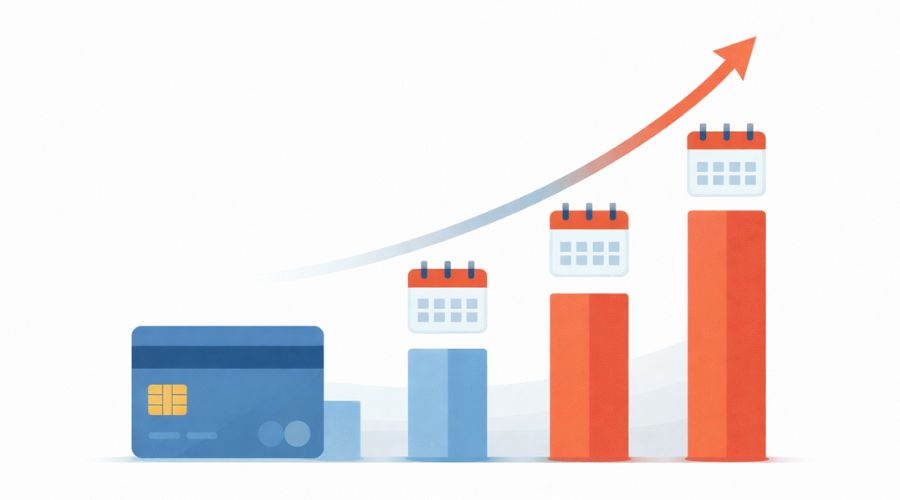
Most U.S. credit cards use:
- APR (Annual Percentage Rate), often between 18% and 30%+
- Daily periodic interest, which means interest is calculated every day based on your balance. Even small balances can grow quickly when high APR is applied daily.
That means:
- Carrying a balance even for one month adds interest
- Larger balances grow faster
- Missing payments can trigger penalty APRs and late fees
This is why payoff strategies focus either on:
- attacking high-interest balances, or
- creating psychological momentum so people keep paying aggressively.
Who These Payoff Methods Are For
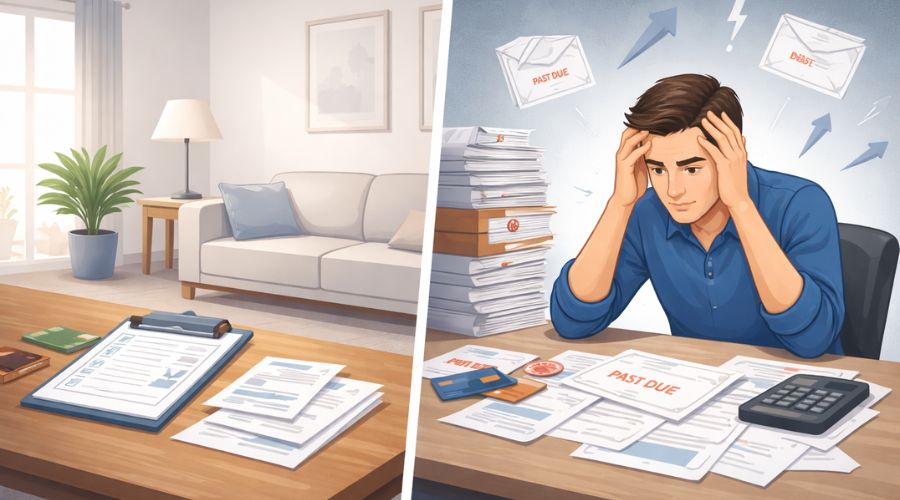
When These Methods Work Best
- Have steady income
- Can pay more than the minimum
- Are not actively using cards for daily living expenses
When You Should Be Careful
- Are behind on payments
- Are using credit cards to cover rent, utilities, or groceries
- Have medical, legal, or income instability
In those cases, budget stabilization may need to come before aggressive payoff, or you may need nonprofit credit counseling rather than DIY strategies.
(We’ll cover risk scenarios and when to seek help later in the article.)
Method 1: The Avalanche Method (Fastest and Cheapest Overall)
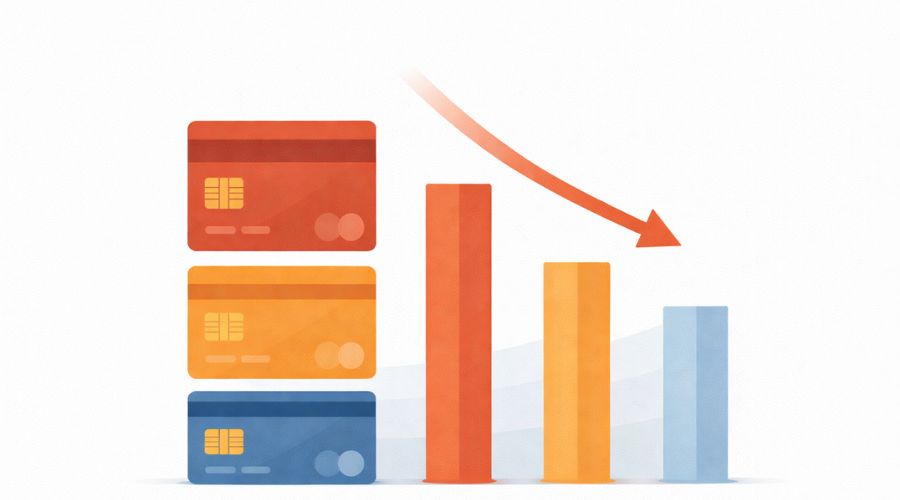
The avalanche method focuses on interest rate, not balance size.
How It Works (Step-by-Step)
- List all credit cards by APR (highest to lowest)
- Pay minimums on every card
- Put all extra money toward the highest-interest card
- Once that card is paid off, move to the next highest APR
Why It Works
- You eliminate the most expensive debt first
- Total interest paid is lower than any other method
- Mathematically the fastest way to become debt-free
Example (U.S.-Style Scenario)
| Card | Balance | APR |
|---|---|---|
| Card A | $3,000 | 28% |
| Card B | $5,000 | 22% |
| Card C | $2,000 | 17% |
With avalanche:
- Extra payments go to Card A first, even though it’s not the largest balance
Pros & Cons of Avalanche Method
| Pros | Cons |
|---|---|
| Lowest total interest cost | Can feel slow if high-APR balance is large |
| Fastest path mathematically | Less emotional motivation early on |
| Works well for disciplined budgets | Requires patience and tracking |
This method is ideal for people who stay motivated by numbers and long-term savings, not quick wins.
Method 2: The Snowball Method (Best for Motivation and Consistency)
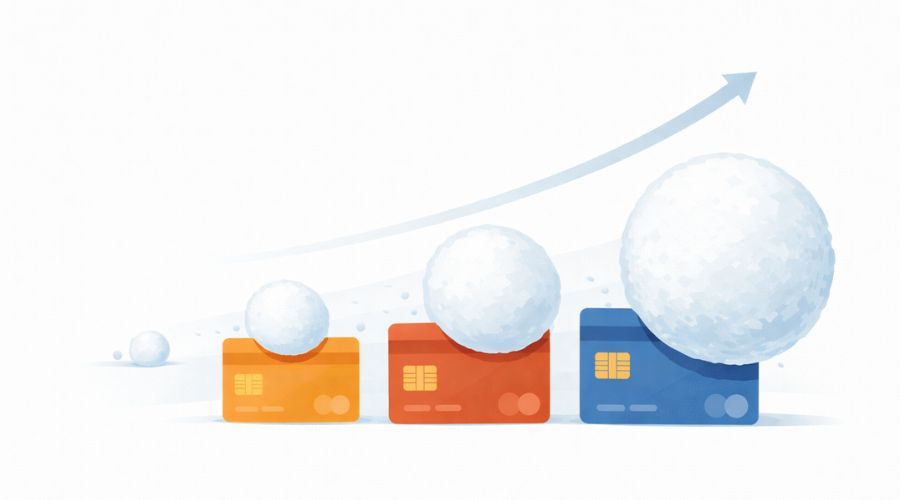
The snowball method focuses on smallest balance first, regardless of interest rate.
How It Works (Step-by-Step)
- List all credit cards by balance (smallest to largest)
- Pay minimums on all cards
- Put extra money toward the smallest balance
- After paying it off, roll that payment into the next smallest card
Why It Works
- You get quick wins early
- Closing accounts reduces mental stress
- People are more likely to stick with the plan
Example
| Card | Balance | APR |
|---|---|---|
| Card A | $800 | 25% |
| Card B | $4,000 | 19% |
| Card C | $7,000 | 21% |
With snowball:
- You attack Card A first to get an early payoff win
Pros & Cons of Snowball Method
| Pros | Cons |
|---|---|
| Builds motivation quickly | Higher total interest cost |
| Simpler emotionally | Not mathematically optimal |
| Great for people who struggle to stay consistent | Slower overall payoff in many cases |
Snowball works well for people who need visible progress to stay focused.
Avalanche vs Snowball: Which Is Better?
There is no universal “best” method.
- Avalanche is best financially
- Snowball is best behaviorally
Research from consumer behavior studies (including CFPB-cited financial behavior research) consistently shows that people who stay consistent outperform perfect plans that people abandon.
So the better method is the one you will actually follow month after month.
How Much Extra You Should Pay Each Month
Paying off high-interest credit card debt faster always comes down to one rule: the more you pay above the minimum, the faster your balances fall and the less interest you pay over time. But paying “as much as possible” isn’t realistic if it breaks your budget and forces you to use the card again.
The goal is to find a sustainable extra payment amount you can commit to every month.
Step 1: Protect Your Basic Expenses First
Before increasing debt payments, make sure you can cover:
- Rent or mortgage
- Utilities
- Food
- Transportation
- Insurance
- Minimum debt payments
If those are not stable, aggressive debt payoff can backfire and increase balances later.
Step 2: Build a Small Cash Buffer (Not a Full Emergency Fund Yet)
Many people stay in credit card debt because every small emergency goes back on the card.Without a small cash cushion, even good repayment plans can collapse.
A practical short-term target is:
- $500–$1,000 in savings (if income is stable)
This prevents new charges while you’re paying balances down. Large emergency funds can wait until high-interest debt is gone.
Step 3: Calculate Your True Monthly “Extra”
After essentials and a small buffer, look at:
- Subscriptions
- Eating out
- Entertainment
- Non-essential shopping
You do not need extreme cuts. Even $75–$200 extra per month can cut years off repayment timelines. For example, adding $150 per month to a typical high-interest balance can reduce payoff time by several years and save thousands in interest.
Important: Pick an amount you can repeat every month. Inconsistent large payments are less effective than steady extra payments.
Why You Should Automate Your Credit Card Payments
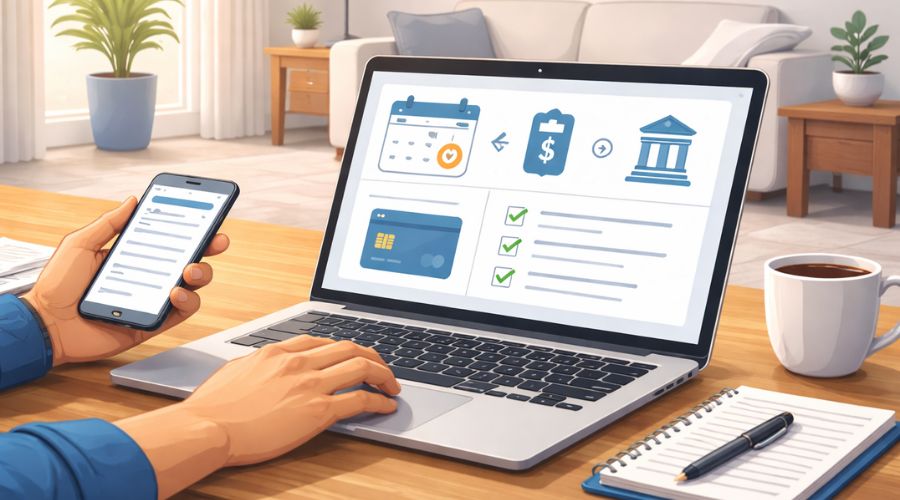
Risks of Late Payments
- Late fees
- Possible penalty APR
- Credit score damage
To avoid that:
Set Up Two Types of Automation
- Auto-pay minimum payment on every card
- Prevents accidental late payments
- Manual or scheduled extra payments toward your target card
- Keeps you in control of which balance you are paying down first
This protects your credit while still allowing aggressive payoff.
Method 3: Balance Transfer Cards
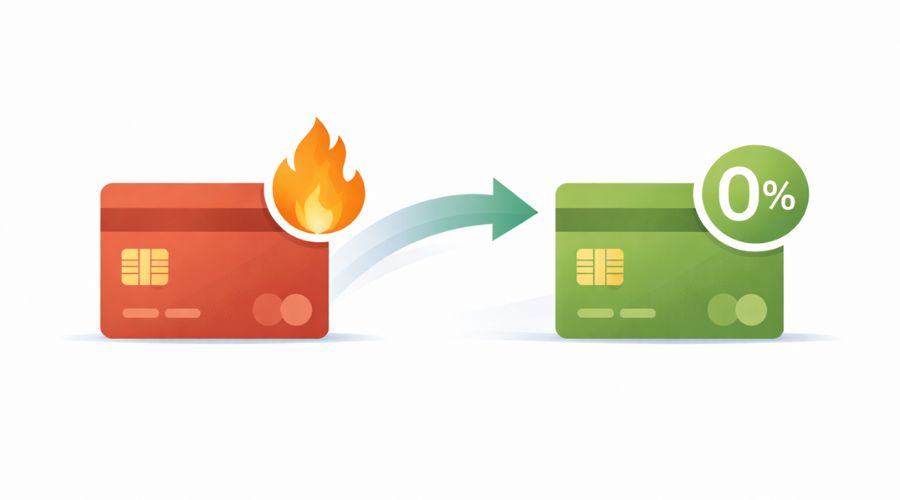
A balance transfer moves debt from a high-interest card to a card with 0% introductory APR for a limited time (often 12–21 months).
When Balance Transfers Help
They can work well if:
- You qualify for a strong credit limit
- You stop using old cards for new purchases
- You have a clear payoff plan before the promo ends
How the Math Helps
If you transfer $5,000 at 25% APR to a 0% APR card:
- Interest stops accumulating during promo period
- More of every payment goes to principal
Even with a typical 3%–5% transfer fee, total cost is often far lower than ongoing interest.
Major Risks to Watch
This method can fail badly if:
- You keep using the old cards and increase total debt
- You don’t pay off the balance before the promo ends
- You miss a payment and lose the 0% rate. Some cards also apply deferred interest or penalty APRs, depending on the agreement.
When the promo ends, remaining balances often jump to high standard APRs.
Best Practice
Only use balance transfers if you:
- Have strong payment discipline
- Can realistically pay the balance off during the promo period
- Freeze or lock old cards to avoid new charges
Method 4: Debt Consolidation Loans
A consolidation loan replaces multiple card balances with one installment loan at a fixed rate.
How It Helps
- Lower interest rate (if you qualify) Approval and rates depend heavily on your current credit score and income.
- Fixed monthly payment
- Clear payoff timeline
When It Works Best
Consolidation can help if:
- Your credit score qualifies you for a lower rate than your cards
- You close or stop using paid-off credit lines
- Your income supports the new payment
Risks and Downsides
- Fees can increase total cost
- If you keep using credit cards, you now have loan debt plus card debt
- Missed payments can still damage credit
This method works best for people who struggle with managing multiple due dates but can stick to a single fixed payment.
Common Mistakes That Slow Payoff
Even good intentions can fail if these mistakes happen:
Only Paying the Minimum
This is the biggest reason people stay in debt for years.
Using Cards While Trying to Pay Them Off
Payoff and spending cannot happen at the same time on the same card.
Ignoring Statement Dates and Interest Timing
Interest accrues daily. Paying earlier in the billing cycle slightly reduces interest compared to waiting until the due date.
Closing All Cards Immediately After Payoff
This can:
- Increase credit utilization ratio
- Shorten credit history
(We’ll cover credit score impact properly in the next section.)
How Paying Off Credit Card Debt Affects Your Credit Score
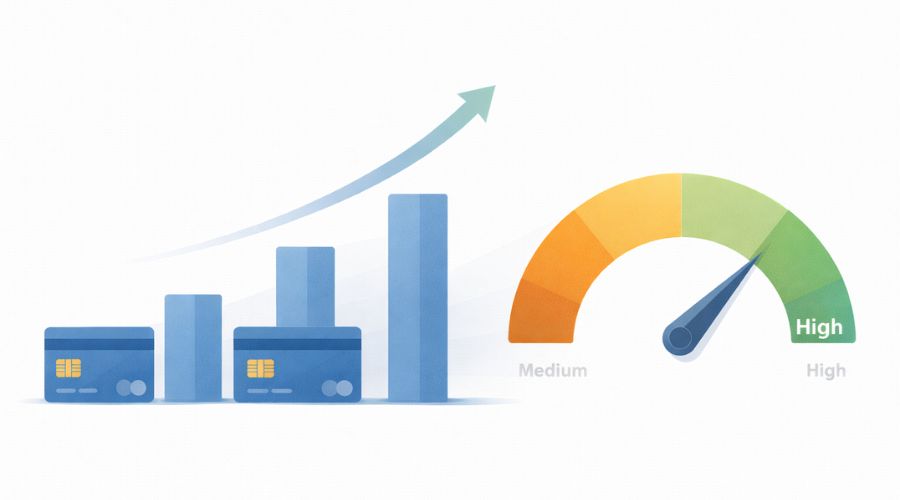
Paying down balances usually helps credit, but the timeline matters.
Positive Effects
- Lower credit utilization ratio
- Reduced risk profile
- Fewer high-balance accounts
Utilization is one of the most important credit score factors in the U.S. (We explain credit utilization in detail in a separate guide.)
Short-Term Drops Can Happen If You:
- Close old accounts
- Apply for new transfer cards or loans (hard inquiries)
These drops are usually temporary if payments remain on time.
Long-Term Impact
Consistently paying down revolving balances is one of the strongest ways to improve credit over time.
When You Should Consider Nonprofit Credit Counseling
If you:
- Are behind on payments
- Are juggling many cards and late fees
- Can’t cover basic expenses
Then aggressive payoff strategies may not be enough.
In the U.S., nonprofit credit counseling agencies (often affiliated with the National Foundation for Credit Counseling, NFCC) can:
- Review your budget
- Negotiate interest rate reductions
- Set up Debt Management Plans (DMPs)
These are not the same as debt settlement companies that ask you to stop paying creditors. DMPs focus on structured repayment, not default.
Myths vs. Facts About Paying Off Credit Card Debt
Many people stay in debt longer than necessary because of ideas that sound logical but don’t match how the U.S. credit system actually works.
Myth: “Carrying a small balance helps your credit score”
Fact: You do not need to carry a balance to build credit.
Credit scores benefit from:
- On-time payments
- Low credit utilization
You can pay your statement balance in full every month and still build a strong credit history.
Myth: “Closing paid-off cards is always the smart move”
Fact: Closing accounts can sometimes hurt your score by:
- Increasing utilization (less total available credit)
- Shortening average account age
If the card has no annual fee and you trust yourself not to overspend, keeping it open can help credit metrics. If overspending is a risk, freezing the card in your issuer’s app is often safer than closing the account.
Myth: “Debt consolidation always lowers your total cost”
Fact: It only helps if:
- The new rate is truly lower
- Fees are reasonable
- You don’t add new card balances afterward
Otherwise, consolidation can increase total debt.
Myth: “Missing one payment isn’t a big deal”
Fact: A payment 30 days late can:
- Stay on your credit report for up to seven years
- Trigger penalty APRs
- Increase future borrowing costs, Late payments can also lower your credit score quickly, especially if your credit history is short.
Even one late payment can matter, especially if your credit history is thin.
Psychological Traps That Keep People in Debt
Debt is not only a math problem. It’s also a behavior problem.
“I’ll Pay More Next Month” Thinking
Delaying extra payments often becomes permanent. Without a scheduled plan, balances stay flat.
Reward Spending After Small Progress
Paying off one card and then celebrating with new purchases cancels the win.
Avoidance of Statements and Balances
Not checking balances does not stop interest. Regular tracking helps prevent slow leaks.
This is why automation, clear targets, and fixed strategies work better than motivation alone. Systems reduce the need for willpower, which is often unreliable under financial stress.
How Long Does It Usually Take to Pay Off Credit Card Debt?
There is no universal timeline, but some patterns are common in the U.S.
If You Pay Only the Minimum
Depending on balance and APR:
- 10 to 20+ years
- Thousands of dollars in interest
Minimum payments are designed to keep accounts active, not to help you finish quickly. Minimum payments are structured to keep accounts active, not to help you become debt-free quickly.
If You Pay Minimum + Fixed Extra
Example scenario:
- Total card debt: $8,000
- Average APR: 22%
- Minimum payment: about $200
- Extra monthly payment: $150
Result:
- Payoff in about 3 years instead of 12+
- Thousands saved in interest
The extra payment does more than reduce time — it reduces how much future interest can grow.
Legal and Consumer Protection Considerations in the U.S.
Understanding your rights can protect you during repayment.
Interest Rates and Fees
Federal law allows banks to set rates based on card agreements and issuing state laws. That’s why APRs vary widely.
However, card issuers must:
- Disclose APR clearly
- Provide notice before major rate increases (with limited exceptions)
Fair Credit Reporting Act (FCRA)
You have the right to:
- Accurate reporting
- Dispute incorrect balances or late payments Request investigation within legally required timeframes
Errors should be challenged with both the credit bureau and the card issuer.
Debt Collection Rules
If accounts go to collections:
- Collectors must follow the Fair Debt Collection Practices Act (FDCPA)
- Harassment and false claims are illegal
Paying off debt faster reduces the chance of accounts reaching this stage.
When Faster Payoff Is NOT the Right First Step
In some situations, paying cards aggressively can cause more harm than good.
Focus on Stability First If You:
- Are behind on rent or utilities
- Have unstable income
- Are relying on credit for food or medical needs
In these cases, the priority becomes:
- Stabilizing cash flow
- Preventing new debt
- Then attacking balances
Debt payoff works best when your basic finances are not under constant pressure.
Practical Payoff Checklist
Before choosing your strategy, make sure you can answer “yes” to most of these:
- Do I know all my balances and APRs?
- Do I have auto-pay set for minimums?
- Do I have at least a small emergency buffer?
- Have I chosen avalanche or snowball (or a consolidation path)?
- Have I stopped using the cards I’m paying down?
- Have I reviewed my statements for fees or errors?
If any of these are missing, fixing them can improve results more than switching strategies.
Frequently Asked Questions (FAQs)
-
Is it better to pay off one credit card completely or pay down all cards a little?
From a payoff-speed perspective, it’s usually better to focus extra money on one card at a time while paying minimums on the rest. This allows you to eliminate balances faster and reduce how much interest keeps compounding on the most expensive debt. Spreading extra payments across all cards can feel productive, but it often slows total payoff.
-
Should I stop using credit cards completely while paying off debt?
If possible, yes — at least for the cards you are actively paying down. Continuing to charge new purchases while trying to reduce balances often cancels out progress. If you need a card for emergencies, use only one low-balance card and pay new charges off immediately to avoid growing debt. Using the same card for spending and payoff often cancels progress and increases frustration.
-
Does paying twice a month help reduce interest?
Yes, slightly. Because most cards calculate interest daily, making payments earlier in the billing cycle can reduce the average daily balance. The effect is not dramatic, but earlier and more frequent payments reduce interest compared to waiting until the due date.
-
Will paying off credit cards close my accounts automatically?
No. Paying a balance to zero does not close the account unless you or the issuer requests closure. Accounts can remain open with a $0 balance, which may help your credit utilization ratio. However, issuers can close inactive accounts after long periods of no use, which is allowed under card agreements. This usually happens after many months of inactivity, not immediately.
-
Should I use savings to pay off credit card debt faster?
It depends on your financial stability. High-interest credit card debt is expensive, but emptying savings completely can force you to rely on credit again when an emergency happens. Many financial educators suggest keeping at least a small emergency buffer ($500–$1,000 if income is steady) before using additional savings for debt payoff.
-
Is a personal loan better than a balance transfer card?
Both can reduce interest, but they work differently:
– Balance transfers offer temporary 0% APR, but require strict payoff timing.
– Personal loans offer fixed payments and rates, but usually not 0%.Which is better depends on credit score, fees, and whether you can realistically pay off balances during a promo period. Reading the full loan or card agreement is important to understand penalties and fees
-
Can settling credit card debt hurt my credit?
Yes. Debt settlement usually involves stopping payments, which leads to late payments, collections, and charge-offs. These can damage credit for years. Settlement can reduce balances but often causes serious credit harm and potential tax consequences on forgiven debt. n some cases, forgiven debt may be treated as taxable income by the IRS. It should be considered only after understanding all risks.
-
How much should I pay above the minimum to make real progress?
There is no universal number, but even an extra $50–$100 per month can significantly shorten payoff timelines. The most important factor is consistency. A fixed extra payment that fits your budget is more effective than large, irregular payments.
-
Does paying off credit cards improve approval chances for future loans?
Yes, in most cases. Lower balances improve:
– Credit utilization
– Overall debt-to-income perception by lendersThis can help when applying for auto loans, mortgages, or better credit cards in the future, assuming payment history stays positive and no new delinquencies appear on your credit report.
-
What if I have both credit card debt and student loans?
Because most credit cards have much higher interest rates than federal student loans, credit card debt usually deserves priority. However, minimum payments on all debts should always be made to protect credit and avoid penalties.
-
Should I close cards after paying them off to avoid temptation?
Closing cards can reduce available credit and may raise utilization, which can lower scores. If temptation is the main concern, alternatives include:
– Locking the card
– Removing saved card numbers from apps
– Freezing the card in issuer apps turning off one-click payments in shopping apps can also reduce impulse spending.This keeps the account open without easy access to spending.
Common Beginner Misunderstandings
“If I transfer balances, the debt disappears”
Balance transfers move debt — they do not erase it. Without disciplined payments, balances can return quickly.
“Debt payoff will fix all financial problems”
Paying off cards helps, but long-term stability also requires:
- Sustainable budgeting
- Emergency savings
- Controlled spending habits
Debt relief without habit change often leads to repeat cycles.
“I need perfect timing to start”
Waiting for the “perfect month” usually delays progress. Once minimum payments and basic expenses are covered, starting small is better than not starting at all. Progress builds from consistent action, not from perfect conditions.
Disclaimer
This content is provided for educational and informational purposes only and does not constitute legal, tax, or financial advice. Financial situations vary widely based on income, location, credit history, and personal obligations. Before making decisions about debt repayment, consolidation, or major financial changes, readers should consult a qualified financial advisor, credit counselor, or other appropriate professional who can evaluate their specific circumstances.
