Understanding how credit inquiries work is one of the most overlooked parts of managing your credit score — yet it can directly influence how lenders evaluate your financial behavior.
Many people worry that every credit check will damage their score, which leads to unnecessary fear, missed financial opportunities, or even avoiding useful tools like credit monitoring altogether. At the same time, others underestimate how certain types of inquiries can signal risk to lenders.
The reality is more nuanced.
Not all credit inquiries are treated equally, and their impact depends on why your credit is being checked, how often it happens, and the overall strength of your credit profile.
In this guide, you’ll learn the exact difference between hard and soft credit inquiries, how each one affects your credit score, how long they stay on your report, and how to apply for credit strategically without causing unnecessary damage.
Key Takeaways
- Hard inquiries can slightly lower your credit score, but the effect is usually small and temporary.
- Soft inquiries never affect your credit score.
- Checking your own credit is always a soft inquiry.
- Multiple hard inquiries for the same type of loan within a short window are usually counted as one for scoring.
- Inquiries are only one small part of your overall credit score.
- Most people can shop for loans safely without damaging their credit when they apply within the same time window.
Why Credit Inquiries Confuse So Many Americans
Many people first learn about credit inquiries after seeing a credit score drop and wondering what went wrong. Others avoid shopping for loans because they worry that every application will damage their credit. Some even hesitate to check their own credit reports because they fear it might hurt their score.
Much of this confusion comes from not realizing that not all credit checks are treated the same way under credit scoring rules.
In the U.S. credit system, there are two different types of inquiries — hard inquiries and soft inquiries — and only one of them can affect your credit score.
Understanding the difference helps you protect your score, shop for loans the right way, and avoid unnecessary stress when your credit is checked.
What Is a Credit Inquiry?
A credit inquiry happens when someone looks at your credit report. This review is recorded by the credit bureaus as part of your credit file.
That “someone” could be:
- A bank reviewing a loan application
- A credit card company evaluating you for approval
- A landlord checking your credit
- An employer running a background check
- Or you, checking your own credit
The credit bureaus — Equifax, Experian, and TransUnion — record these checks and label them as either hard or soft, depending on why your credit was reviewed.
That label is what determines whether your credit score is affected.
Soft Credit Inquiries: What They Are and When They Happen
A soft inquiry (also called a soft pull) happens when your credit is checked for informational or screening purposes, not because you are actively applying for new credit.
Common Examples of Soft Inquiries
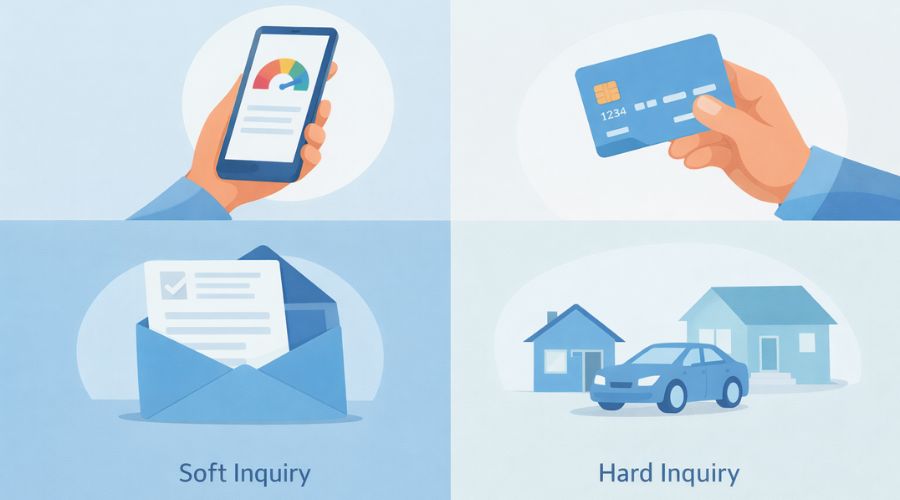
Soft inquiries typically occur when:
- You check your own credit report or credit score
- A bank pre-approves or pre-qualifies you for an offer
- A credit card company sends you a promotional offer
- An employer runs a background check (with permission)
- A landlord screens your credit (varies by screening method)
- An existing lender reviews your account
Important Rule
Soft inquiries never affect your credit score.
They are not considered risk-related behavior by scoring models.
They do not appear to lenders when your credit is reviewed for loan or credit card applications. Only you can see most soft inquiries on your own credit report.
So checking your credit regularly is not only safe — it is strongly recommended for catching errors and fraud early.
Hard Credit Inquiries: What They Are and Why They Matter
A hard inquiry (also called a hard pull) happens when you apply for new credit and the lender checks your credit to decide whether to approve you.
This signals to scoring models that you may be taking on new debt, which can slightly increase lending risk. That is why scoring systems treat these checks differently from routine account reviews.
Common Examples of Hard Inquiries
Hard inquiries usually happen when you apply for:
- Credit cards
- Auto loans
- Mortgages
- Personal loans
- Student loans
- Store financing plans
Why Hard Inquiries Affect Your Score
Credit scoring models are designed to predict the likelihood that someone will repay debt on time. When you apply for new credit, it can suggest:
- Possible financial stress
- Increased future debt
- Higher short-term risk
Because of this, hard inquiries can cause a small, temporary dip in your credit score.
How Much Does a Hard Inquiry Actually Affect Your Credit Score?
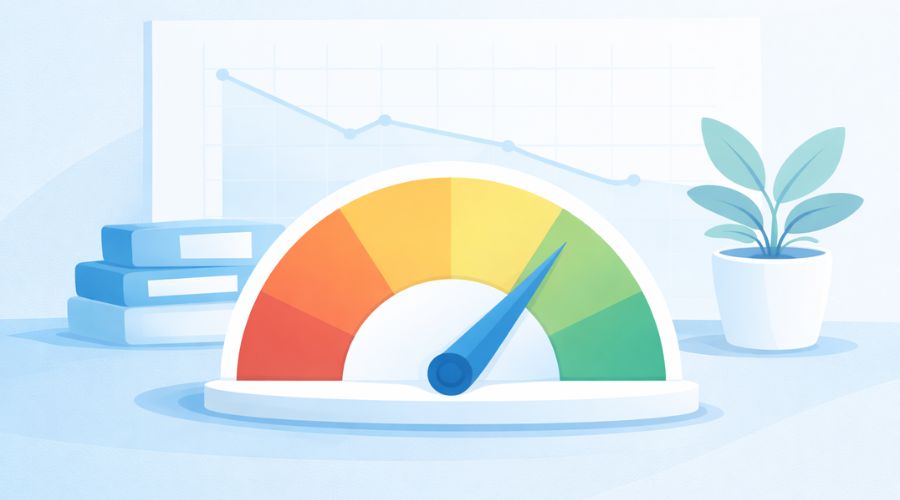
This is where many people overestimate the damage.
For most people, a single hard inquiry lowers a credit score by about 3 to 10 points. The exact impact depends on:
- Your overall credit profile
- How many recent inquiries you already have
- Whether you have a thin or established credit history
What Matters More Than Inquiries
It’s important to keep perspective. In most scoring models:
- Payment history carries far more weight
- Credit utilization has a much bigger impact
- Account age matters more over time
So while inquiries matter, they are one of the smallest factors in your total score.
How Long Hard Inquiries Stay on Your Credit Report
Hard inquiries remain visible on your credit report for:
- Up to 24 months
But for scoring purposes:
- Most scoring models only consider inquiries from the last 12 months
That means older inquiries still appear on your report, but they no longer affect your score after about a year.
And even during that first year, their impact gradually fades.
Rate Shopping: When Multiple Inquiries Count as One
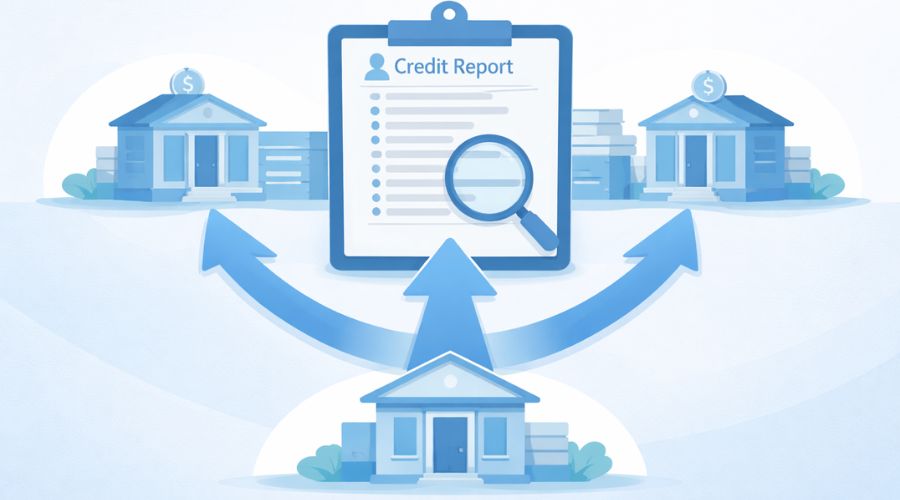
The credit system recognizes that smart consumers compare loan offers before choosing a lender.
So if you apply for the same type of loan within a short time frame, scoring models usually treat those inquiries as a single event.
This is called rate shopping protection. It allows consumers to compare lenders without being penalized for responsible shopping behavior.
Loans That Qualify for Rate Shopping
This protection typically applies to:
- Mortgage applications
- Auto loans
- Student loans
How the Time Window Works
Depending on the scoring model used:
- Multiple inquiries within 14 to 45 days may be grouped together
Even if several lenders pull your credit, the model counts them as one inquiry for scoring purposes.
Important Limitation
This grouping usually does not apply to credit cards.
Each credit card application is typically counted as a separate hard inquiry, even if they are close together.
When a Credit Check Is Hard vs Soft (Quick Comparison)
Here’s a simple breakdown of common situations and how they are usually classified:
| Situation | Inquiry Type | Affects Score? |
|---|---|---|
| You check your own credit report | Soft | ❌ No |
| Bank pre-approval offer | Soft | ❌ No |
| Applying for a credit card | Hard | ✅ Yes (small impact) |
| Mortgage rate shopping | Hard (grouped) | ✅ Usually counted as one |
| Employer background check | Soft | ❌ No |
| Existing lender account review | Soft | ❌ No |
A Common and Costly Mistake: Avoiding Credit Checks Altogether
Some people avoid applying for better loans or lower-interest cards because they are afraid of inquiries hurting their credit.
This approach can actually cost more in the long run.
For example:
- Paying higher interest because you avoided refinancing
- Missing better card terms because you feared a small score dip
- Delaying home buying due to misunderstanding inquiry impact
A temporary 5-point drop is often far less costly than staying in a high-interest loan for years.
Understanding when inquiries matter — and when they don’t — allows you to make smarter financial choices without unnecessary fear.
How Credit Inquiries Affect Different People (Thin vs. Strong Credit Profiles)
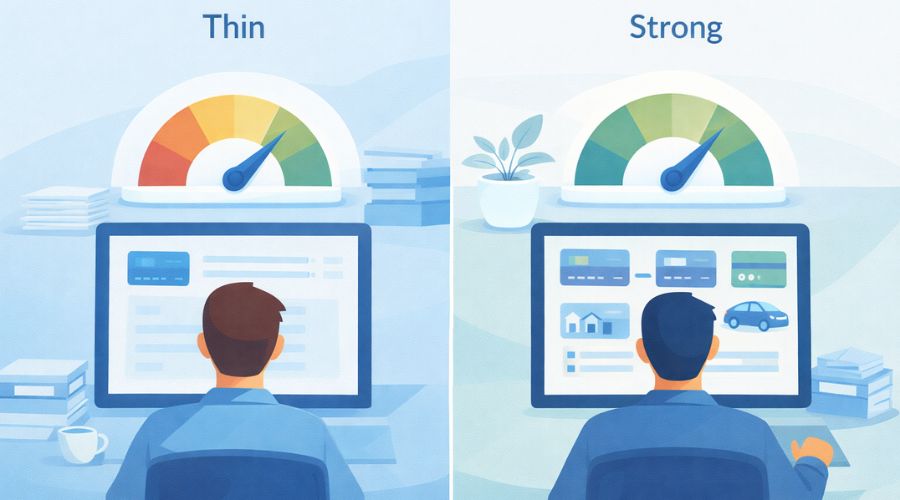
Not everyone experiences the same impact from a hard inquiry.
Credit scoring models look at your entire credit profile, not just the inquiry itself. That means the same inquiry can affect two people differently. This is because scoring models weigh new risk against your existing history.
If You Have a Thin Credit File
A thin file usually means:
- Few accounts
- Short credit history
- Limited payment records
In this case:
- A single hard inquiry can have a slightly larger impact
- There is less positive history to balance out the new risk signal
Thin credit files are common among:
- Young adults
- New immigrants
- People returning to credit after long gaps
If You Have an Established Credit History
If you have:
- Several active accounts
- Years of on-time payments
- Low credit utilization
Then:
- One inquiry often has very little noticeable effect
- Your score may recover faster
This is why two people can apply for the same credit card and see different score changes afterward.
When Hard Inquiries Become a Bigger Problem
While one or two inquiries are usually not an issue, many inquiries in a short time can raise lender concerns.
Situations That Can Trigger Larger Score Drops
Hard inquiries become more impactful when they are combined with:
- High credit card balances
- Missed or late payments
- Recently opened accounts
- Multiple different types of credit applications
From a lender’s point of view, this can look like:
“This person is actively seeking a lot of new credit, which may signal financial strain.”
This doesn’t mean approval is impossible, but it may:
- Lower your score temporarily
- Lead to higher interest rates
- Reduce approval odds
How Long It Takes to Recover From a Hard Inquiry
There is no fixed “recovery date,” but many people see improvement within:
- A few months, if the rest of their credit behavior remains stable
Why recovery happens:
- The scoring impact fades over time
- New positive payment history continues to build
- Utilization may improve if balances go down
As long as you:
- Pay bills on time
- Avoid piling up debt
- Limit unnecessary applications
Your score usually rebounds without any special action.
Myths vs. Facts About Credit Inquiries
Myth: Checking your own credit lowers your score
Fact: Checking your own credit is always a soft inquiry and has no effect on your score.
Myth: Every inquiry drops your score by a lot
Fact: Most inquiries cause small, short-term changes, often under 10 points.
Myth: You should never apply for credit unless your score is perfect
Fact: Responsible credit use and occasional applications are part of building and maintaining credit.
Myth: All inquiries are treated the same
Fact: Scoring models treat rate-shopping inquiries differently from credit card or retail applications.
Who Should Be More Careful About Hard Inquiries
While most people don’t need to panic about occasional applications, some situations require extra caution.
Be More Strategic If You Are:
- Planning to apply for a mortgage in the next few months (mortgage underwriting reviews recent credit behavior very closely)
- Rebuilding credit after recent late payments or collections
- Carrying high credit card balances
- New to credit with a thin file
In these cases:
- Limit applications to what you truly need
- Avoid store cards or promotional financing right before major loans
- Focus on stabilizing your existing accounts first
Mortgage lenders, in particular, review recent credit behavior closely, and even small risk signals can affect approval or interest rates.
Do Inquiries Affect Loan Approval or Just the Score?
Inquiries matter in two ways:
- They affect your credit score slightly
- Lenders see them directly on your credit report
Some lenders look beyond the score and consider:
- How many inquiries you have
- How recent they are
- Whether they relate to similar loan types
For example:
- Several mortgage inquiries during rate shopping usually raise no concern
- Several credit card inquiries in a short time may raise questions
So even when the score impact is small, application patterns can still influence lending decisions.
How to Minimize Credit Inquiry Damage (Without Avoiding Credit Completely)
You don’t need to avoid credit entirely. You just need to use it thoughtfully.
Practical Ways to Protect Your Score
- Apply only when you are reasonably confident you qualify
- Use pre-qualification tools when available (these use soft inquiries)
- Group loan applications within rate-shopping windows
- Avoid stacking multiple credit card applications together
- Focus on keeping balances low and payments on time
Good credit habits reduce the effect of inquiries far more than trying to avoid them completely.
How FICO and VantageScore Treat Credit Inquiries
Most lenders in the U.S. rely on FICO® scores, but many free credit monitoring services show VantageScore® instead. Both systems use inquiries as a factor, but they don’t treat them in exactly the same way.
Understanding this helps explain why your score may change on one platform but not another after the same credit check. It also explains why free credit scores and lender scores sometimes do not match.
How FICO Scores Handle Inquiries
FICO models generally follow these principles:
- Hard inquiries can affect your score
- Soft inquiries never affect your score
- Rate-shopping inquiries for the same loan type may be grouped together
- Inquiries usually stop affecting the score after 12 months
- Inquiries stay on the credit report for 24 months
Many FICO versions also include a short “buffer period.” That means:
- Very recent inquiries may not impact your score immediately
- This allows consumers time to rate shop before scoring penalties apply especially for mortgages, auto loans, and student loans.
Not all lenders use the same FICO version, which is why two lenders may view slightly different scores on the same day.
How VantageScore Handles Inquiries
VantageScore models also:
- Count hard inquiries as a risk factor
- Ignore soft inquiries completely
But there are some differences:
- Rate shopping windows may be shorter
- All hard inquiries can be grouped in some versions, not just mortgages or auto loans
- Score changes may appear faster after inquiries which can make short-term drops look more dramatic on some credit monitoring apps.
This is one reason people sometimes see:
- A drop on a credit monitoring app
- But little or no change on the score a lender later uses
Both scores are legitimate, but lenders make decisions based on the score model they choose, not the one you see for free.
Why Your Credit Score May Drop — Even Without New Inquiries
Many people assume that any score drop must be caused by a recent application. In reality, inquiries are often not the main reason for changes.
Common causes of score drops include:
- Higher credit card balances reported after statement closing
- Late or missed payments
- A closed account changing credit utilization
- A new account reducing average account age
Because inquiries often happen around the same time as new accounts, people may blame the inquiry, when the real cause is:
the new balance or new account itself, not the credit check.
This matters because:
- Avoiding applications does not protect you from score changes
- Managing balances and payments has far more influence
What Lenders Actually Look At (Beyond the Score)
While scores matter, lenders also review your full credit report, including:
- Recent inquiries
- Account types
- Payment patterns
- Debt levels
This is known as manual underwriting or credit review, depending on the lender.
How Inquiries Are Interpreted in Real Applications
Here’s how lenders commonly view them:
- Mortgage inquiries during home shopping: expected and normal
- One or two credit card inquiries: usually not a concern
- Many unrelated inquiries in a short period: may raise risk flags
But inquiries alone rarely cause denial.
Denials are more often linked to:
- High debt-to-income ratios
- Recent delinquencies
- Limited credit history
- Unstable income
In other words, inquiries are usually a supporting detail, not the main decision factor.
Pros and Cons of Credit Inquiries (Yes, There Are Both)
Credit inquiries exist because lenders must evaluate risk. While they can slightly affect your score, they also play a role in protecting the system from abuse and identity fraud.
Pros & Cons Table
| Aspect | Benefits | Downsides |
|---|---|---|
| Risk assessment | Helps lenders price loans more accurately | Small temporary score drops |
| Fraud detection | Makes it harder for stolen identities to open many accounts unnoticed | Legitimate shoppers may worry unnecessarily |
| Loan shopping protection | Rate shopping is usually grouped | Not all loan types get protection |
| Credit monitoring | Soft inquiries allow safe self-checking | Confusion between soft and hard checks |
From a consumer perspective, the goal is not to avoid inquiries entirely, but to use credit intentionally and strategically.
Special Situations: Inquiries That Surprise People
Some credit checks confuse people because they expect one type but see another.
Utility and Cell Phone Accounts
Depending on the company:
- Some run soft checks
- Others run hard checks, especially for postpaid plans or large deposits
Policies can vary by provider and by state.
Apartment Applications
Tenant screening may involve:
- Soft inquiries through screening services
- Or hard inquiries if a full credit report is pulled
Always ask which type of check will be used before authorizing it.
Insurance Quotes
In many states:
- Insurers may use a credit-based insurance score
- This usually involves a soft inquiry, not a hard one
However, rules and disclosure requirements vary by state.
Business Credit Applications
If you apply using:
- Your Social Security number, the inquiry may appear on your personal credit
- A business EIN alone may not affect your personal credit, but approval standards differ by lender
Common Beginner Mistakes With Credit Inquiries
Even responsible people make avoidable mistakes with applications.
Mistake 1: Applying Repeatedly After Denials
Each application can create another hard inquiry. which may also reduce approval chances on later applications.
Better approach:
- Pause
- Review your credit profile
- Fix the main issues first
Mistake 2: Applying for Store Cards at Checkout
Retail financing is often approved quickly, but:
- It usually involves a hard inquiry
- Interest rates are often high
- Limits may be low
It may not be worth the long-term cost for a short-term discount.
Mistake 3: Confusing Pre-Qualification With Guaranteed Approval
Pre-qualification uses soft checks and does not guarantee approval.
Once you apply fully:
- A hard inquiry usually occurs
- Full underwriting begins
What Inquiries Do NOT Do
To clear up more confusion, inquiries:
- Do not change your payment history
- Do not increase your balances
- Do not directly raise your interest rates
- Do not stay permanently on your report
They are only one small signal in a much larger credit picture.
How to Monitor Credit Inquiries and Protect Yourself From Errors
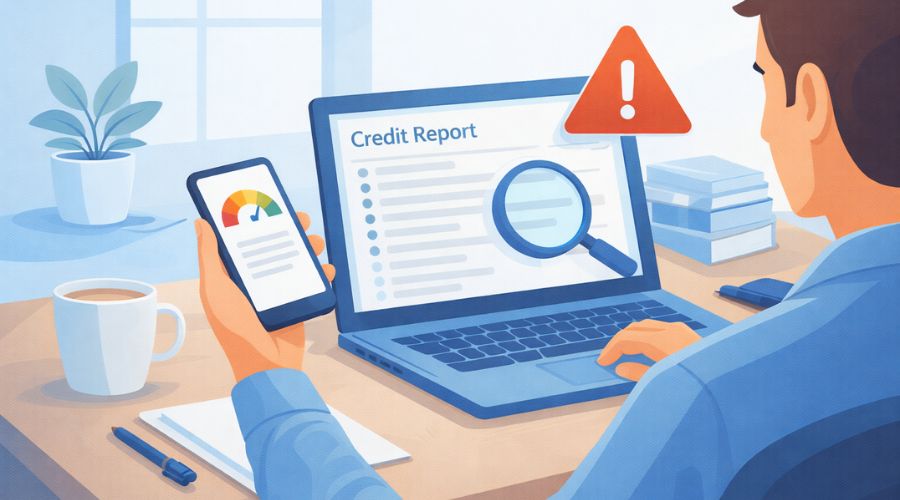
Because inquiries are recorded by the credit bureaus, you can — and should — monitor them as part of regular credit health checks. This helps you confirm that all recorded inquiries were authorized and expected.
Where to See Your Credit Inquiries
You can view inquiries on:
- Your free annual credit reports from each bureau (available by federal law) (you can request these at the official government-authorized website)
- Credit monitoring services that show inquiry activity
- Reports pulled directly by lenders when you apply for credit
Each bureau lists: (For official consumer guidance, you can also read the CFPB credit report and score guide.)
- The company that pulled your credit
- The date of the inquiry
- Whether it was classified as hard or soft
Step-by-Step: How to Review Inquiries on Your Credit Report
When reviewing your report, use this simple process:
Step 1: Identify All Hard Inquiries
Look specifically for:
- Applications you remember making
- Lenders you recognize
- Correct dates and company names
If everything matches your records, no action is needed. You do not need to contact the bureau or lender if the inquiry is correct.
Step 2: Check for Inquiries You Don’t Recognize
Red flags include:
- Companies you never contacted
- Applications you never submitted
- Multiple inquiries from the same lender without explanation
Unrecognized hard inquiries can be signs of:
- Application errors
- Mixed credit files
- Identity theft
Step 3: Confirm With the Lender If Needed
Before filing disputes:
- Contact the company listed
- Ask if an application exists in your name
- Request details about how the inquiry was authorized
Sometimes the issue is:
- A similar name
- A joint application confusion
- A pre-approval mistakenly recorded as a hard inquiry
What to Do If You Find an Unauthorized Hard Inquiry
If a hard inquiry truly was not authorized, you have rights under U.S. consumer protection laws.
Your Legal Rights (Plain Language)
Under the Fair Credit Reporting Act (FCRA):
- Credit reports must be accurate
- Unauthorized inquiries can be disputed
- Bureaus must investigate disputes and respond within legally required time limits.
Step-by-Step Response
- Dispute the inquiry with the credit bureau
Provide a clear statement that you did not authorize the credit check. - Dispute directly with the lender
Ask them to verify the application and authorization. - Request written confirmation
Keep records of responses and investigation results.
If the inquiry cannot be verified, it must be removed.
Can You Remove Legitimate Hard Inquiries?
This is an area where misinformation is common.
Important Truth
If you authorized the application, the inquiry is legitimate and cannot be removed early.
There is no legal method to remove accurate inquiries simply because you dislike the score impact.
Claims that “credit repair” companies can delete all inquiries are often misleading and sometimes harmful. You may also be charged high fees for services that cannot legally change accurate information.
The law protects accuracy, not convenience.
How Long You Should Wait Between Applications
There is no universal rule, but spacing out applications helps prevent unnecessary score dips and lender concerns.
General Guidelines (Educational, Not Personal Financial Advice)
- Credit cards: allow several months between applications if possible
- Major loans: complete rate shopping within a short window
- After denials: pause and review your credit before applying again
The goal is to avoid patterns that look like:
- Desperation for credit
- Financial instability
- Overextension
Inquiries and Identity Theft: An Early Warning Signal
Sometimes, the first visible sign of identity theft is:
- An unfamiliar hard inquiry especially when combined with unfamiliar accounts or bills.
That’s why regular monitoring matters.
If You Suspect Identity Theft
In addition to disputing the inquiry, consider:
- Placing a fraud alert with the credit bureaus
- Reviewing all open accounts carefully
- Monitoring statements and balances
Fraud alerts are free and make lenders verify identity more carefully before approving new credit.
In more serious cases, consumers may choose to:
- Place a credit freeze (which blocks most new credit applications)
Both tools are regulated by federal law and available at no cost.
How Inquiries Fit Into Long-Term Credit Strategy
Over time, most people accumulate:
- Occasional inquiries
- New accounts
- Account closures
This is normal credit activity.
Strong long-term credit health is built primarily through:
- Consistent on-time payments
- Low revolving balances
- Stable account history
Inquiries fade naturally as long as healthy habits continue.
Trying to “optimize” your score by avoiding all inquiries can lead to missed opportunities, such as:
- Lower interest refinancing
- Better rewards or terms
- Improved financial flexibility
The smarter approach is planned and purposeful credit use.
When Should You Actually Worry About Credit Inquiries?
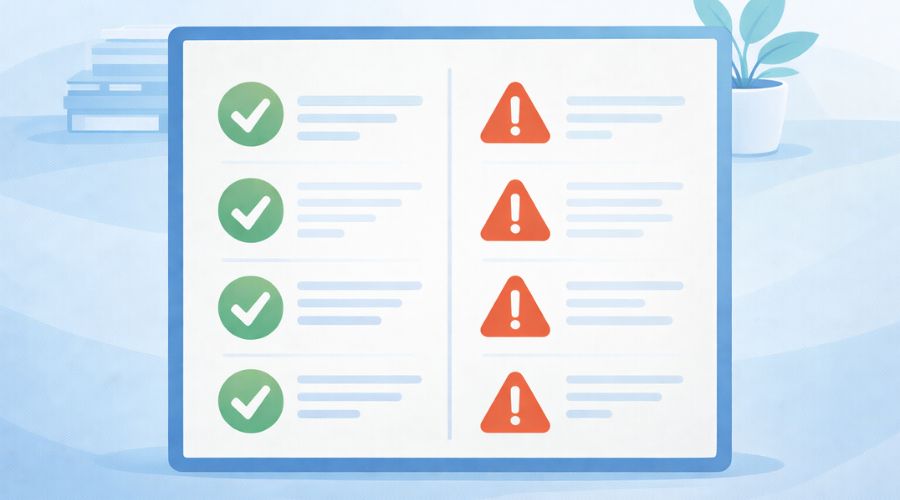
Most of the time, you don’t need to worry about a small number of hard inquiries. But there are situations where they deserve closer attention especially when other parts of your credit profile are already under stress.
Inquiries Matter More When:
- You are about to apply for a mortgage or large loan
- You already have recent late payments or high balances
- You have many recent applications across different lenders
- You are rebuilding credit after financial hardship
- You recently opened several new accounts
In these cases, even small score changes or risk signals can affect:
- Approval chances
- Interest rates
- Required down payments or deposits
Inquiries Matter Less When:
- You have strong payment history
- Your balances are low
- You are rate shopping for the same loan type
- You apply occasionally and strategically
In a stable credit profile, inquiries are usually background noise, not a major threat.
Quick Decision Guide: Should This Inquiry Concern You?
If you’re unsure how to judge a specific inquiry, use this quick guide:
| Question | If Yes | If No |
|---|---|---|
| Did you apply for this credit? | Normal activity | Investigate immediately |
| Are you rate shopping for a loan? | Usually safe | Apply cautiously |
| Do you already have many recent inquiries? | Pause new applications | Low concern |
| Are you planning a major loan soon? | Minimize new inquiries | Normal timing |
This keeps the focus on context, not just the inquiry itself.
Final Reality Check: What Really Drives Your Credit Score
To keep priorities clear:
Big Drivers of Credit Scores
- Paying every bill on time
- Keeping credit card balances low
- Maintaining long account history
- Using credit regularly but responsibly
Small Drivers
- Hard inquiries
- New account openings (short term)
This is why many people see score improvements even when they have occasional inquiries — strong fundamentals outweigh small risk signals.
Frequently Asked Questions (FAQ) About Hard vs Soft Credit Inquiries
-
Does checking my credit score lower my credit?
No. Checking your own credit is always a soft inquiry and has no effect on your credit score. In fact, regular monitoring helps you catch errors and fraud earlier.
-
How many hard inquiries are too many?
There is no official limit, but several inquiries within a few months, especially across different types of credit, can raise lender concerns and cause larger temporary score drops.
-
Do inquiries affect mortgage approval?
They can, but usually only as a small part of the overall review. Mortgage lenders focus much more on income, debt levels, payment history, and stability. However, many recent unrelated inquiries may require explanation.
-
How long should I stop applying before buying a house?
Many mortgage professionals suggest avoiding new credit applications for several months before applying, but individual situations vary. The key is to avoid creating new risk signals right before underwriting.
-
Do pre-approvals hurt your credit?
No. Pre-approvals and pre-qualifications typically use soft inquiries, which do not affect your score. Only full applications usually trigger hard inquiries.
-
Why did my score drop more than expected after one inquiry?
The inquiry itself may not be the main cause. Score changes often come from:
– New balances
– Reduced average account age
– Higher utilizationThese changes usually happen when new accounts open, not from the inquiry alone.
-
Can landlords or employers hurt my credit with checks?
Most tenant and employment screenings use soft inquiries, but methods vary. You can always ask what type of credit check will be used before giving permission.
-
Can I dispute an inquiry if I don’t remember applying?
Yes. If you did not authorize the credit check, you can dispute it with the credit bureau and the lender. Under federal law, unverifiable inquiries must be removed.
-
Do business credit applications affect personal credit?
They can if you apply using your Social Security number or provide a personal guarantee. Business-only applications using only an EIN may not appear on personal credit, but policies vary by lender.
-
Are inquiries more harmful if my credit is already bad?
They can have a slightly larger impact when your credit profile is weak or thin, because there is less positive history to offset new risk signals.
-
Should I avoid credit cards to protect my score?
No. Responsible use of credit cards with low balances and on-time payments is one of the most effective ways to build and maintain strong credit.
Disclaimer
This content is provided for educational and informational purposes only and does not constitute legal, tax, or financial advice. Credit laws, lender policies, and individual financial situations can vary. For guidance specific to your personal circumstances, you should consult a qualified financial professional, credit counselor, or attorney before making credit or lending decisions.
