
Identity theft isn’t theoretical for most Americans anymore. Data breaches, phishing emails, and leaked Social Security numbers have made credit misuse a common risk—even for people who do everything “right.” When that risk shows up, two protections usually come up first: credit freezes and fraud alerts. They sound similar, but they work very differently and serve different situations.
Many Americans choose the wrong option, act too late, or assume these tools provide protection they actually don’t. Understanding the difference matters because the choice affects how easily someone can open credit in your name—and how easily you can access credit when you need it.
In this guide, you’ll clearly understand the difference, when to use each, and which option is right for your situation.
Key Takeaways (Quick Overview)
- Credit freeze: Blocks most new credit unless you unlock it.
- Fraud alert: Warns lenders but does not block credit.
- Credit freezes: Offer stronger protection but require more management.
- Fraud alerts: Are easier to set but rely on lender follow-through.
- Cost: Both are free under U.S. federal law.
What Is a Credit Freeze?
A credit freeze (also called a security freeze) completely restricts access to your credit file at the major U.S. credit bureaus. When your credit is frozen, lenders cannot view your credit report unless you temporarily lift or remove the freeze.
Because most lenders require access to your credit report before approving a new account, a freeze effectively prevents new credit from being opened in your name, even if a criminal has your personal information.
How a Credit Freeze Works in the U.S.
Here’s what happens when you place a credit freeze with the credit bureaus:
- Your credit file becomes inaccessible to most lenders
- New credit card, loan, and financing applications are blocked
- Existing creditors can still access your report for account management
- You receive a PIN or secure login to lift or remove the freeze
Under federal law (the Economic Growth, Regulatory Relief, and Consumer Protection Act), credit freezes are free and remain in place until you remove them.
What a Credit Freeze Does Not Do
A credit freeze does not:
- Stop misuse of existing credit cards or bank accounts
- Prevent identity theft itself
- Monitor your credit activity
- Block collection activity or credit score changes from existing accounts
It is a preventive lock, not a monitoring or cleanup tool.
What Is a Fraud Alert?
A fraud alert places a note on your credit file telling lenders that you may be a victim of identity theft and that they should take extra steps to verify your identity before approving credit.
Unlike a credit freeze, a fraud alert does not block access to your credit report. It relies on lenders to notice the alert and follow verification procedures.
How a Fraud Alert Works
A fraud alert works by adding a warning—not a lock—to your credit file.
When a fraud alert is active:
- Lenders can still view your credit report
- They are encouraged to verify your identity before approving credit
- You are typically contacted before approval (phone or email)
- One credit bureau must share the alert with the others
Fraud alerts are also free under U.S. law.
Types of Fraud Alerts
There are two legally recognized types of fraud alerts in the United States:
| Type of Fraud Alert | Duration | Who It’s For |
|---|---|---|
| Initial fraud alert | 1 year | People who suspect risk but haven’t confirmed identity theft |
| Extended fraud alert | 7 years | Confirmed identity theft victims (requires documentation) |
Credit Freeze vs. Fraud Alert: Core Difference
The key difference comes down to control vs. caution:
- A credit freeze prevents new credit unless you personally approve it.
- A fraud alert allows credit applications but asks lenders to be cautious.
This distinction matters most when your personal data is already exposed.
When Each Option Makes Sense (High-Level)
Credit freeze is usually better when:
- Your Social Security number was exposed in a data breach
- You don’t plan to apply for credit soon
- You want the strongest possible protection
Fraud alert may be enough when:
- You suspect unusual activity but no confirmed misuse
- You plan to apply for credit soon
- You want minimal friction
We’ll walk through these scenarios in detail later.
Real-World Scenarios: Which One Actually Fits Your Situation?

Choosing between a credit freeze and a fraud alert isn’t about which one sounds more serious—it’s about timing, risk level, and how much access you need to your own credit.
Below are the most common real-life U.S. situations and how each option performs in practice.
Scenario 1: Your Data Was Exposed in a Major Breach
Examples include breaches involving:
- Social Security numbers
- Driver’s license numbers
- Full names combined with dates of birth
Best choice: Credit freeze
This provides the strongest possible barrier against unauthorized credit activity.
When core identity data is exposed, fraud alerts rely too heavily on lender behavior. A credit freeze removes discretion entirely—no lender can pull your credit without your permission.
Why this matters:
Most identity theft doesn’t happen immediately. Criminals often wait months. A freeze stays in place indefinitely, quietly blocking future misuse.
Scenario 2: You See Suspicious Activity but No Confirmed Fraud
Examples:
- Unexpected credit card pre-approval mail
- Unknown soft inquiries
- One odd login alert
Best choice: Initial fraud alert (at first)
This option adds caution without immediately restricting your access to credit.
A fraud alert adds friction without shutting down your credit access. It’s appropriate when risk is uncertain and you want monitoring behavior from lenders.
Important caution:
If suspicious activity escalates or repeats, a fraud alert may not be enough.
Scenario 3: You’re Actively Applying for Credit or Housing
Examples:
- Mortgage or auto loan shopping
- Apartment rental screenings
- Job applications requiring credit checks
Best choice: Fraud alert (temporary)
It allows legitimate applications to move forward while still signaling potential risk.
A credit freeze can delay legitimate applications if you forget to lift it or mistime access. Fraud alerts keep applications moving while signaling caution.
Tip:
Some people temporarily lift a credit freeze for a specific lender. This works—but requires careful timing.
Scenario 4: Confirmed Identity Theft
Examples:
- Accounts opened in your name
- IRS identity theft notice
- Debt collection for unknown accounts
Best choice: Credit freeze + extended fraud alert
This combination blocks future misuse while keeping lenders alert over the long term.
At this stage, redundancy helps. A freeze blocks future damage, while an extended fraud alert keeps lenders on high alert for years.
Pros and Cons Comparison (Clear and Practical)
| Feature | Credit Freeze | Fraud Alert |
|---|---|---|
| Blocks new credit | Yes | No |
| Relies on lender caution | No | Yes |
| Free under U.S. law | Yes | Yes |
| Stays active until removed | Yes | No (1 or 7 years) |
| Can delay your own applications | Yes | Rarely |
| Best for long-term protection | Yes | No |
| Requires account management | Yes | Minimal |
Common Mistakes Americans Make
1. Assuming a Fraud Alert Prevents Identity Theft
It doesn’t. It only asks lenders to be careful. Some automated systems still approve credit.
2. Forgetting an Active Credit Freeze
People often freeze credit and forget it—then panic when a loan application stalls.
3. Thinking You Can Only Choose One
You can legally use both, and in some cases, you should.
4. Believing These Tools Fix Existing Damage
Neither removes fraudulent accounts or repairs credit. They only limit future misuse.
Impact on Your Credit Score and Financial Life
Credit freezes and fraud alerts do NOT directly affect your credit score.
However, they can affect:
- Application timelines
- Convenience
- Stress levels during emergencies
A credit freeze can slow urgent financing if not managed properly. A fraud alert may allow fraud to slip through if lenders don’t verify carefully.
Myths vs. Facts
Myth: Credit freezes are only for people with bad credit
Fact: They are most effective for people with clean credit worth protecting
Myth: Fraud alerts guarantee identity verification
Fact: Verification methods vary by lender and are not standardized
Myth: Freezing credit means you can’t use existing accounts
Fact: Existing accounts function normally
Key Warning to Understand Clearly
Neither option protects your bank accounts, tax filings, or medical identity.
Separate protections may be needed depending on the type of identity theft risk involved.
How to Set Up a Credit Freeze or Fraud Alert (Step by Step)
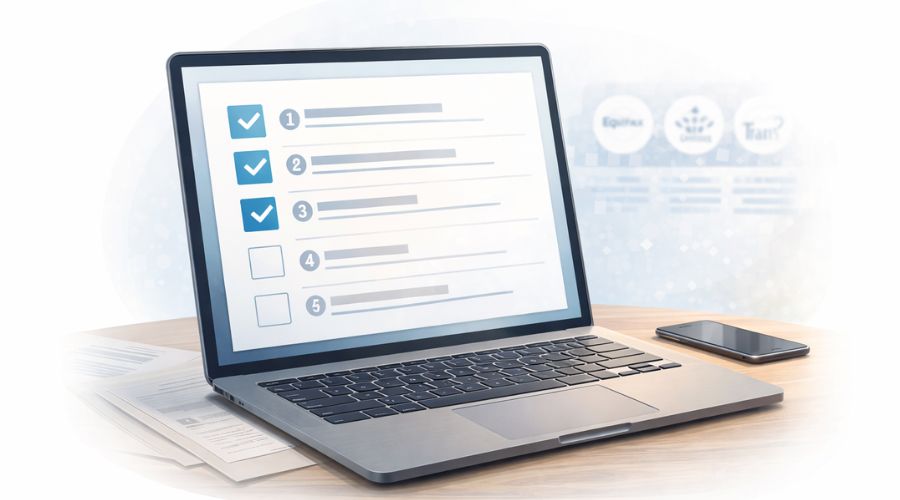
Setting up either protection is straightforward in the United States, but small mistakes during setup can reduce effectiveness or cause future delays. This section walks through the process carefully and realistically.
How to Place a Credit Freeze
You must place a credit freeze separately with each major credit bureau:
What You’ll Need
- Full legal name
- Social Security number
- Date of birth
- Current address (and sometimes previous addresses)
- Email and phone number
Step-by-Step Process
- Create an online account with each bureau
- Verify your identity using security questions
- Select the option to freeze your credit
- Confirm and save your login credentials securely
Once active, the freeze remains in place until you remove it. There is no automatic expiration unless you choose to lift or remove it.
Temporarily Lifting or Removing a Credit Freeze
You can:
- Lift the freeze for a specific lender
- Lift it for a set time period
- Remove it entirely
Most lifts take effect within minutes online, but same-day approvals can still be delayed if timing is off.
Important warning:
Losing access to your credit bureau accounts can delay urgent credit applications.
Always store login and recovery information securely.
How to Place a Fraud Alert
Unlike a credit freeze, you only need to contact one bureau to place a fraud alert. That bureau must notify the others.
Step-by-Step Process
- Contact one credit bureau online or by phone
- Request an initial fraud alert (1 year)
- Confirm your contact information
- Monitor communications from lenders
For an extended fraud alert, you must provide proof of identity theft (such as an FTC identity theft report).
What Happens After Setup (What to Expect)
With a Credit Freeze
- Credit applications are automatically blocked
- Some background checks may still go through
- Existing credit accounts work normally
With a Fraud Alert
- You may receive calls or emails from lenders
- Some applications may still be approved automatically
- Verification steps vary widely by lender
Legal and Regulatory Considerations (U.S. Only)
Federal Protections
- Credit freezes and fraud alerts are free nationwide
- Credit bureaus must allow online access
- Consumers can remove or lift freezes at any time
State-Level Differences
Most rules are federally standardized, but identity theft recovery procedures and documentation requirements can vary by state, especially when dealing with law enforcement reports or extended alerts.
Which One Should You Use Long-Term?
Here’s a practical framework many financial educators use:
| Situation | Practical Choice |
|---|---|
| No immediate credit needs | Credit freeze |
| Applying for loans soon | Fraud alert |
| Confirmed identity theft | Credit freeze + extended fraud alert |
| Ongoing breach exposure | Credit freeze |
There is no downside to long-term credit freezes for people who rarely apply for new credit and are comfortable managing access.
Risks, Limitations, and Situations Where These Tools Are Not Enough
Credit freezes and fraud alerts are useful—but they are not complete identity theft protection systems. Many Americans assume these tools cover every type of fraud. They don’t. Understanding their limits is critical for realistic expectations and safer financial decisions.
What Credit Freezes and Fraud Alerts Do Not Protect
1. Existing Accounts
Neither option prevents:
- Unauthorized charges on existing credit cards
- Bank account takeovers
- Debit card fraud
Those risks are handled through bank-level security, transaction monitoring, and federal liability protections—not credit bureaus.
2. Tax-Related Identity Theft
If someone files a tax return using your Social Security number, a credit freeze will not stop it.
Tax identity theft is handled through the IRS and requires separate actions, such as identity verification and PIN programs.
3. Employment and Medical Identity Theft
Credit reports are not always involved in:
- Employment misuse
- Medical insurance fraud
In these cases, freezes and alerts may not surface the problem until much later—or at all.
Credit Freeze Limitations to Understand Clearly
Access Friction Is Real
A freeze adds protection by adding friction. That friction can backfire when:
- You need emergency financing
- A lender uses a bureau you forgot to unlock
- A third-party service pulls credit unexpectedly
Key warning:
A credit freeze does not replace personal vigilance or ongoing account monitoring.
Not All Credit Checks Are Blocked
Some entities can still access frozen files, including:
- Existing creditors
- Debt collectors with valid claims
- Government agencies under specific circumstances
This is normal and legal under U.S. law.
Fraud Alert Limitations to Understand Clearly
Lender Compliance Is Not Guaranteed
Fraud alerts depend on:
- Human review
- Internal lender policies
- Whether verification steps are actually followed
Automated systems may still approve accounts.
Alerts Expire Automatically
Initial fraud alerts expire after one year. Many people forget to renew them, assuming protection continues.
Common Misunderstandings That Create Risk
“I froze my credit, so I’m fully protected”
False. You are protected from new credit account fraud only.
“A fraud alert means no one can open credit”
False. It only raises a flag—it does not block.
“These tools fix identity theft”
False. They are preventive tools, not repair tools.
Credit Freeze vs. Fraud Alert for Long-Term Financial Health
For many Americans:
- A long-term credit freeze is the safest default
- Temporary lifts allow flexibility when needed
- Fraud alerts are best used during short risk windows
People with strong credit histories often benefit the most from freezes because they have more to lose.
Situations Where You May Need Additional Protection
Depending on your risk, you may also need:
- IRS identity protections
- Bank account alerts
- Regular credit report reviews
These tools complement—not replace—freezes and alerts.
Final Decision Guide: Which One Should You Use?
At this point, the choice should feel clearer. The right option depends less on fear and more on how much control you want versus how much flexibility you need.
A Simple, Responsible Rule of Thumb
Choose a credit freeze if:
- You are not applying for new credit soon
- Your personal data has been exposed or reused
- You want the strongest, default-level protection
- You prefer prevention over detection
Choose a fraud alert if:
- You plan to apply for credit in the near future
- You noticed something unusual but not confirmed fraud
- You want minimal friction and short-term caution
Use both if:
- You are a confirmed identity theft victim
- You are actively recovering from misuse of your identity
For many Americans, a long-term credit freeze is the safest baseline choice.
It can always be lifted temporarily when needed.
Credit Freeze vs. Fraud Alert — Final Comparison Snapshot
| Question | Credit Freeze | Fraud Alert |
|---|---|---|
| Stops new accounts by default? | Yes | No |
| Requires lender cooperation? | No | Yes |
| Best for long-term safety? | Yes | No |
| Easy to forget about? | Yes (manage carefully) | Less so |
| Good during active credit shopping? | Sometimes | Yes |
Frequently Asked Questions
-
Does a credit freeze affect my credit score?
No. A credit freeze does not impact your credit score in any way.
-
Can I apply for a mortgage with a credit freeze?
Yes, but you must temporarily lift or remove the freeze before the lender can access your credit report. Timing matters.
-
Is a fraud alert enough after a data breach?
Usually not. If sensitive personal data (like your Social Security number) was exposed, a credit freeze provides stronger protection.
-
Can someone still steal my identity if my credit is frozen?
Yes. A freeze only blocks new credit accounts. It does not protect bank accounts, taxes, or existing cards.
-
How long should I keep a credit freeze?
There is no required end date. Many people keep freezes in place indefinitely and lift them only when needed.
-
Can I switch from a fraud alert to a credit freeze later?
Yes. You can add, remove, or switch between these tools at any time.
-
Will employers or landlords be blocked by a credit freeze?
Some background checks may be affected. If you expect a credit-based screening, you may need to temporarily lift the freeze.
-
Is one credit bureau enough?
For fraud alerts, yes—one bureau must notify the others.
For credit freezes, no—you must freeze your credit at all three major bureaus.
Common Beginner Takeaway (Worth Remembering)
Fraud alerts ask lenders to be careful.
Credit freezes remove the opportunity for mistakes.
That difference is why freezes are often the safer long-term option.
Disclaimer
This content is provided for educational and informational purposes only. It does not constitute legal, tax, or financial advice.
Credit, identity theft risk, and protection strategies vary by individual circumstances and state laws. Readers should consult a qualified financial, legal, or tax professional before making decisions that affect their personal finances.
Before making a decision, review your current risk level and choose the option that best protects your financial identity.
