When something goes wrong—a car repair, a medical bill, a sudden job change—most Americans don’t have weeks to wait for money to move between accounts. You need cash that’s safe, available, and predictable. That’s why the question of where to keep your emergency fund matters more than many people realize.
A lot of people leave emergency money in their checking account because it’s easy to reach. Others move it to savings to avoid spending it and to earn interest. Both choices have trade-offs, and the “best” option depends on how emergencies actually play out in real life, not just on paper.
This is not about maximizing returns. It’s about protecting your financial stability when life doesn’t follow your budget.
In this guide, we’ll break down how checking and savings accounts actually perform during real emergencies—and how most Americans can safely structure their emergency fund.
Key Takeaways
- For immediate access, keep a small buffer in your checking account
- To protect emergency money from daily spending, use a savings account
- To earn interest safely, choose a high-yield savings account
- To avoid overdraft fees, do not keep your full emergency fund in checking
- For most households, the safest setup is a split approach: checking + savings
Most people should not keep their entire emergency fund in checking.
But keeping some emergency cash in checking can prevent overdrafts and payment failures.
What Is an Emergency Fund
An emergency fund is money set aside for unexpected, necessary expenses, not for planned purchases or lifestyle upgrades.
Common real-life U.S. emergencies include:
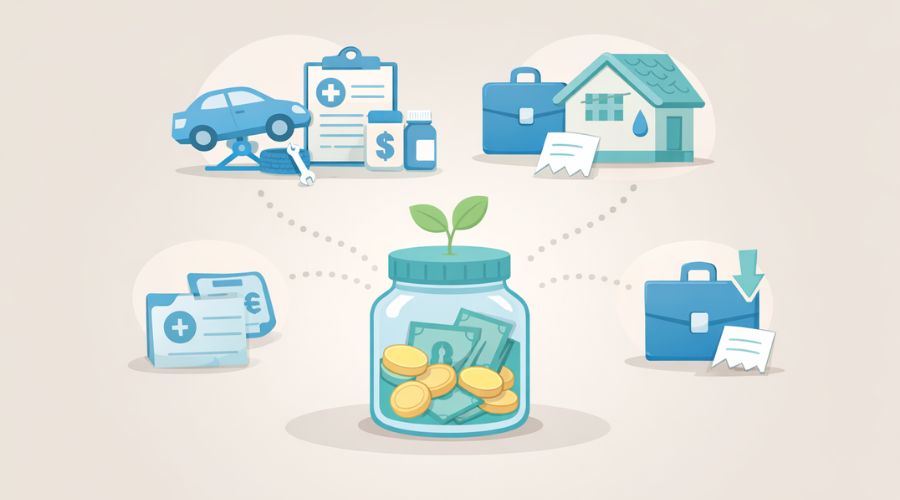
- Car repairs needed to get to work
- Medical bills not fully covered by insurance
- Temporary loss of income
- Urgent home repairs
- Travel for family emergencies
This money should be:
- Safe (not invested in the market)
- Liquid (available quickly without penalties)
- Separate from daily spending
This separation is important because emergency money is easier to protect when it is not mixed with everyday expenses.
Most financial educators suggest keeping 3 to 6 months of essential expenses, but the right amount varies by job stability, household size, health, and access to credit.
How Checking Accounts Work for Emergency Money
A checking account is built for daily transactions.
What Checking Accounts Do Well
- Instant access via debit card, checks, and bill pay
- No limits on withdrawals
- Direct connection to bills and subscriptions
If your car breaks down tonight, checking money is available immediately. This speed is the biggest advantage of using checking for short-notice emergencies.
Where Checking Accounts Create Risk
- Easy to spend accidentally
- Low or no interest
- Vulnerable to overdraft if balances drop too low
- Fraud or card holds can temporarily freeze access
Many people think they still have savings, but over time:
Small everyday spending quietly eats into money meant for emergencies.
Also, if an emergency causes multiple charges in a short time, checking accounts are more likely to trigger overdraft fees, especially if transactions post in an unexpected order.
How Savings Accounts Work for Emergency Money
A savings account is designed to store money, not spend it daily.
What Savings Accounts Do Well
- Keeps money mentally and physically separate from spending
- Lower risk of overdraft
- Earns interest (especially high-yield savings)
- FDIC or NCUA insured at most institutions
This makes savings accounts ideal for protecting emergency funds from being used casually.
Limitations to Know About
- Transfers may take 1–3 business days
- Some banks limit how quickly you can access funds
- Debit cards are not always available
- Not ideal for same-day emergencies unless you already moved money
This is why savings works best for storing emergency funds, not for paying urgent bills directly.
Even though federal Regulation D limits on withdrawals were removed in 2020, many banks still impose their own transfer or withdrawal rules, especially on online savings accounts.
Checking vs Savings for Emergencies: Side-by-Side
| Feature | Checking Account | Savings Account |
|---|---|---|
| Immediate access | ✅ Yes | ⚠️ Sometimes delayed |
| Risk of accidental spending | ❌ High | ✅ Low |
| Overdraft risk | ❌ Higher | ✅ Lower |
| Interest earnings | ❌ Very low | ✅ Higher (especially HYSA) |
| Best use | Short-term buffer | Main emergency fund storage |
Who Should Keep Emergency Money in Checking
Keeping some emergency money in checking can make sense if:
- Your income is irregular and balances fluctuate
- Bills often hit close together
- You’ve had overdraft issues before
- You need immediate access for transportation or medical needs
But this should usually be:
A small buffer, not the full emergency fund. This keeps your bills safe without putting your entire safety net at risk.
For many households, that buffer is one to two weeks of expenses — enough to handle sudden costs without touching savings immediately.
Who Should Keep Emergency Money in Savings
Keeping most emergency funds in savings is usually better if:
- Your paycheck is stable and predictable
- You use budgeting systems that protect checking balances
- You tend to overspend when money is easily available
- You want interest without investment risk
A high-yield savings account is especially useful because:
- Funds stay liquid
- Interest rates adjust with the market
- Your money remains insured
This protects both your cash and your discipline.
Real-Life Example: Why Location Matters
Situation:
Maria keeps her entire emergency fund in checking — about $3,000.
One month:
- Rent clears early
- A utility bill posts late
- Her debit card is charged twice by mistake at a gas station
Before she notices, her balance drops below zero and triggers overdraft fees, even though she technically had emergency savings.
If most of her emergency money had been in savings:
- Daily spending wouldn’t touch it
- Overdraft risk would be lower
- The money would still be available after transfer
This is a very common situation, not a rare one.
Pros and Cons: Where to Keep Emergency Funds
✅ Checking Account
Pros
- Immediate access
- No transfer delays
- Useful for urgent same-day costs
Cons
- Easy to spend unintentionally
- Higher overdraft risk
- No meaningful interest
- Card fraud can freeze access
✅ Savings Account
Pros
- Keeps money protected from spending
- Earns interest
- Lower fee risk
- Still liquid
Cons
- Not always instant access
- Some banks limit transfers
- May require planning for large urgent expenses
The Strategy Many Financial Educators Recommend
For many Americans, the safest structure is:
✔️ Split Emergency Fund
- Small buffer in checking
Covers sudden expenses and prevents overdrafts. - Main emergency fund in savings
Protects the bulk of your emergency money and earns interest.
This approach balances:
- Speed
- Safety
- Discipline
It also reduces stress during real emergencies when timing matters.
Common Myths and Facts About Emergency Funds
❌ “Savings accounts aren’t for emergencies because transfers are slow”
Not always true. Many banks offer same-day or next-day transfers, especially if checking and savings are at the same institution.
❌ “If it’s not in checking, I won’t be able to pay for emergencies”
Most emergencies are not paid with debit cards on the spot. Medical bills, repairs, and travel often allow time to transfer funds.
❌ “Interest doesn’t matter for emergency funds”
It’s true that growth is not the main goal — but earning something while keeping money safe is still better than earning nothing.
How This Choice Affects Long-Term Finances
Where you keep emergency money affects:
- Whether you rely on credit cards during emergencies
- How often you pay overdraft fees
- How likely you are to dip into savings for non-emergencies
- Whether emergencies turn into long-term debt
Small structural decisions can quietly shape years of financial outcomes.
Step-by-Step: How to Set Up an Emergency Fund Using Checking and Savings
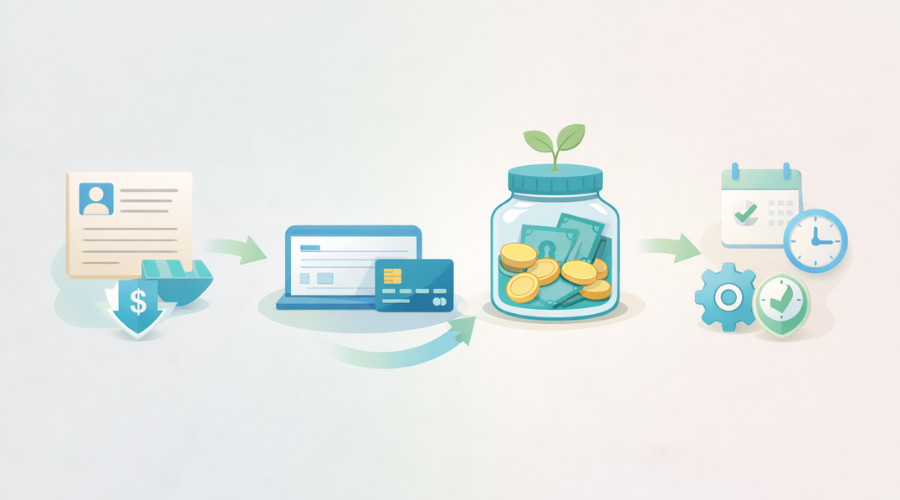
A simple structure makes emergencies easier to handle and reduces mistakes when stress is high. Setting this up in advance means you are not making financial decisions while panicking.
Step 1: Decide Your Total Emergency Fund Target
Start with your essential monthly expenses:
- Housing
- Utilities
- Food
- Transportation
- Insurance
- Minimum debt payments
Multiply that number by:
- 3 months if your income is stable and predictable
- 6 months if income is irregular, commission-based, or you are self-employed
This is your total emergency fund goal. Do not worry if you cannot reach this number right away — building gradually still protects you.
Important: This is not savings for vacations, shopping, or planned expenses.
Step 2: Set a Checking Account Safety Buffer
Keep enough in checking to cover:
- Regular bills
- Normal spending
- A small unexpected charge
For many households, this is:
- $300 to $1,000, or
- 1–2 weeks of expenses
This buffer helps prevent:
- Overdraft fees
- Declined payments
- Panic transfers during emergencies
Do not store your full emergency fund here. Checking is for access, not for long-term protection of emergency money.
Step 3: Store the Rest in Savings
Move the remaining emergency money into a savings account, ideally:
- FDIC- or NCUA-insured
- Separate from daily spending
- Easy to transfer when needed
Fast access matters more than a slightly higher interest rate during emergencies.
If using an online bank, confirm:
- Transfer timelines
- Daily or monthly limits
- Whether external transfers take longer
This prevents surprises when you actually need the money.
Step 4: Automate When Possible
Automation reduces the chance that you’ll forget or spend the money.
Common options include:
- Automatic transfers from checking to savings after each paycheck
- Round-up features that sweep small amounts into savings
- Scheduled monthly savings deposits
Even small automatic contributions build protection over time.
Step 5: Create Clear Rules for Using the Fund
Decide in advance what qualifies as an emergency.
Typically not emergencies:
- Holiday shopping
- Routine car maintenance
- Planned medical expenses
- Upgrading electronics
Typically true emergencies:
- Sudden job loss
- Emergency medical bills
- Essential car repairs
- Safety-related home repairs
Having rules prevents emotional decisions that weaken your safety net. When rules are clear, you are less likely to turn emergencies into long-term money problems.
What About Keeping Emergency Money in a Money Market Account?
Some people consider money market deposit accounts (MMDAs) as a middle ground.
How Money Market Deposit Accounts Compare
| Feature | MMDA |
|---|---|
| FDIC insured | ✅ Yes (if at bank) |
| Interest rate | Often higher than basic savings |
| Debit/check access | Sometimes available |
| Withdrawal limits | Bank-specific rules apply |
MMDAs can work well if:
- You confirm withdrawal access
- You understand any balance requirements
- You avoid accounts with transaction fees
But they still should not replace a small checking buffer for urgent payments.
Credit Cards Are Not Emergency Funds
Many Americans rely on credit cards when emergencies happen, even if they have savings.
This creates two problems:
- Interest costs add stress after the emergency
- Debt takes months or years to pay off
Emergency funds are meant to prevent emergencies from becoming debt cycles.
Credit can help bridge timing gaps, but it should not replace having cash available.
What If You Have Very Little Saved Right Now?
If building a full emergency fund feels impossible, start smaller.
A practical starter goal:
- $500 to $1,000 in savings
This alone can cover:
- Many car repairs
- Utility emergencies
- Minor medical costs
Once that base exists, you can slowly expand toward longer-term targets.
Progress matters more than perfection. The goal is to reduce how often emergencies turn into debt, not to reach a perfect number overnight.
How Banks’ Fee Policies Can Change the Best Choice
Not all checking and savings accounts work the same way.
Before deciding where to store emergency money, review:
- Overdraft fee policies
- Transfer limits
- Minimum balance requirements
- Monthly maintenance fees
Some banks still charge:
- Excess withdrawal fees on savings
- Transfer fees between accounts
- Inactivity penalties
Even small fees can slowly drain money meant for real emergencies.
These rules can quietly reduce your emergency fund if you’re not aware of them.
How This Decision Affects Your Credit and Financial Stability
While checking and savings balances do not appear on credit reports, your behavior during emergencies does affect credit.
If emergencies force you to:
- Max out credit cards
- Miss loan payments
- Use payday or installment loans
Your credit profile can suffer for years after a short-term crisis.
Proper emergency fund placement helps you:
- Avoid high-interest debt
- Keep bills paid on time
- Protect long-term borrowing ability
When Keeping More Emergency Money in Checking May Be Necessary
In some situations, keeping more in checking is practical:
- You live paycheck to paycheck
- Your bank has slow transfer systems
- You lack savings account access
- Your job requires frequent immediate expenses
In these cases, the priority is:
Access first, optimization later.
But even then, separating at least a small amount into savings can still help build better habits over time.
Myths vs. Facts About Emergency Funds and Bank Accounts
Confusion around bank accounts leads many people to make choices that quietly weaken their financial safety net.
Myth: “Checking is safest because I can see the money every day”
Fact: Visibility does not equal protection.
When emergency money sits next to spending money, it’s far more likely to be used for non-emergencies. Over time, this defeats the purpose of having a safety fund at all.
Myth: “Savings accounts lock up your money”
Fact: Savings accounts are still liquid.
Most allow transfers within one business day when linked to your checking account. While they are not designed for instant debit-card spending, they are not long-term locked accounts like CDs.
Myth: “If I have credit cards, I don’t need much emergency cash”
Fact: Credit is not financial stability.
Credit adds interest, payment obligations, and long-term stress after the emergency passes. Emergency funds are meant to reduce reliance on borrowing.
Myth: “High-yield savings are risky like investments”
Fact: Bank savings are not investments.
At insured institutions, savings balances are protected by federal deposit insurance within legal limits, regardless of interest rate changes.
Common Beginner Mistakes That Reduce Emergency Protection
Even people who save regularly can weaken their emergency funds without realizing it. These mistakes often happen slowly, which makes them harder to notice.
Mixing Emergency Money With Daily Spending
This is the most common problem.
Without clear separation, money meant for emergencies slowly turns into extra spending money.
Using Savings for Predictable Expenses
Things like:
- Car maintenance
- Insurance deductibles you know are coming
- Annual bills
These should be planned savings, not emergency funds.
When emergencies happen, true emergency money should still be there.
Choosing Accounts With Hidden Fees
Fees that quietly reduce balances include:
- Monthly maintenance fees
- Excess transaction charges
- Low-balance penalties
Over time, fees can remove hundreds of dollars from emergency savings without people noticing.
Keeping All Emergency Funds in Cash at Home
While cash avoids bank delays, it creates risks:
- Theft
- Loss
- No interest
- No insurance protection
Keeping some physical cash may help with short-term disruptions, but it should not replace bank-based emergency savings.
What Happens During Large or Extended Emergencies
Some emergencies last longer than a single event.
Examples include:
- Extended job loss
- Medical recovery periods
- Natural disasters causing income disruption
During longer emergencies:
- You may need multiple withdrawals
- Bills may stack up
- Cash flow becomes more unpredictable
Savings accounts handle this better because:
- They separate emergency funds from daily spending
- Transfers can be controlled and tracked
- You avoid accidental overuse
Checking-only emergency strategies often fail during long disruptions. This is why protecting the main emergency fund in savings becomes more important over time.
How Couples and Families Should Think About Emergency Fund Location
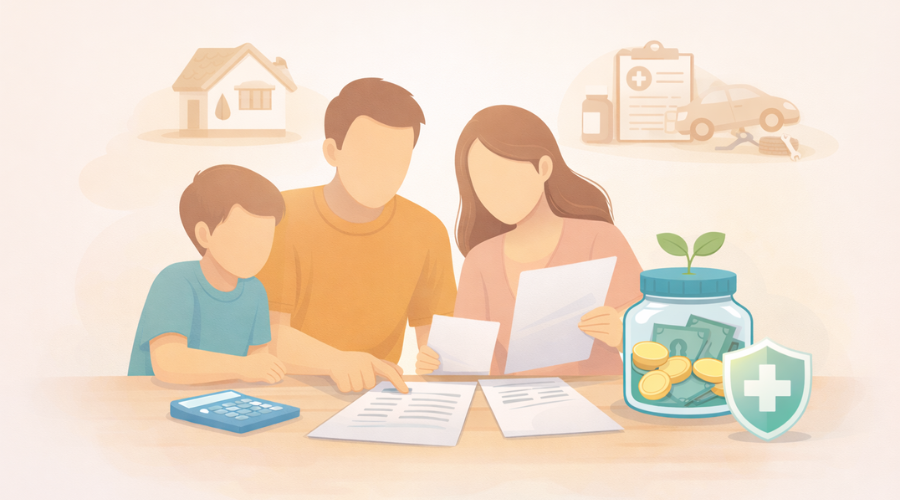
Households with multiple earners or shared expenses face extra challenges.
Helpful practices include:
- Joint agreement on what qualifies as an emergency
- One shared savings account specifically labeled for emergencies
- Individual checking accounts for spending
This reduces confusion and prevents:
- One partner accidentally spending emergency funds
- Arguments during stressful financial moments
Clear account roles reduce both financial and emotional strain.
When a Savings Account Alone Is Not Enough
Some emergencies require very fast payments:
- Towing services
- Immediate medical costs
- Urgent travel bookings
For these situations:
- Checking buffers provide immediate liquidity
- Credit cards may temporarily bridge timing gaps
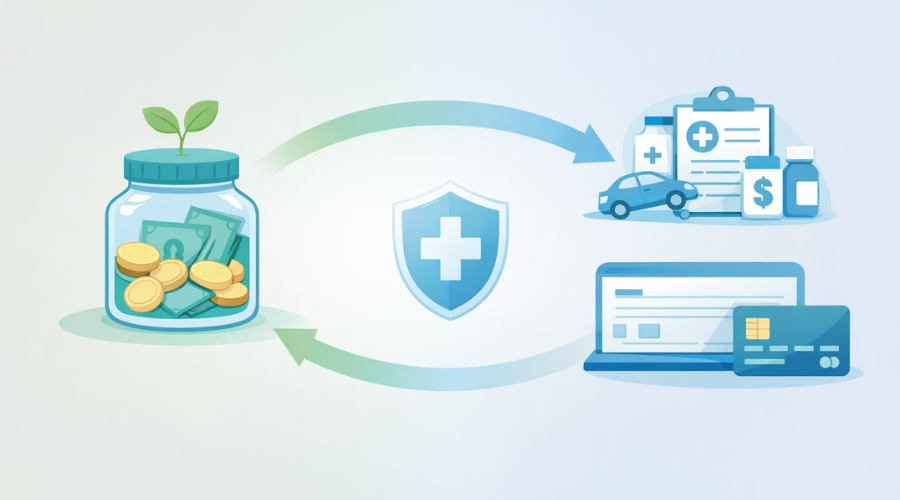
- Savings replenishes checking afterward. This system keeps urgent payments smooth while protecting your main safety net.
This is another reason why a split system works better than choosing only one account.
How Often You Should Review Emergency Fund Placement
Your banking setup should change when your life changes.
Review your emergency fund structure when:
- You change jobs
- Your income becomes more or less stable
- Your household size changes
- Your bank changes account policies
- Interest rates shift significantly
What worked last year may not work as well now. Reviewing your setup once or twice a year can prevent small problems from becoming big ones.
Quick Self-Check: Is Your Emergency Fund Set Up Safely?
Ask yourself:
- Would a few large charges drain my checking account?
- Is my emergency money mixed with spending money?
- Do I know how fast I can move money from savings?
- Could I handle a sudden $1,000 expense today without borrowing?
If the answer to any is “no,” your account setup may need adjustment.
Frequently Asked Questions About Checking vs Savings emergency fund
Should I keep my emergency fund at the same bank as my checking account?
For many people, yes.
Keeping both accounts at the same institution often allows faster transfers and easier tracking. However, some people prefer separate banks to reduce spending temptation. Either approach can work if you understand transfer timing.
Is it okay to keep emergency money in online-only savings banks?
Yes, as long as the bank is FDIC-insured and you know the transfer timelines.
The biggest risk with online banks is not safety, but access speed. Always test small transfers before relying on them for emergencies.
Can I use a savings account debit card for emergencies?
Some banks provide debit cards for savings accounts, but this is not universal.
Even when available, using the card may still count toward transaction limits or trigger bank rules. It’s safer to plan on transferring funds to checking when needed.
Does keeping money in checking help my credit score?
No.
Checking and savings balances are not reported to credit bureaus. What affects credit is whether you pay debts on time and how much credit you use during emergencies.
How much should I keep in checking if my paycheck is irregular?
If income is unpredictable, a larger checking buffer can help prevent overdrafts and payment failures.
Many people with variable income keep one full month of expenses in checking and store the rest of their emergency fund in savings.
What if I have debt — should I still keep emergency savings?
Yes.
Without emergency savings, new debt is more likely to grow when unexpected expenses occur. Many financial educators recommend building a small emergency fund even while paying down debt.
Can I keep my emergency fund in multiple savings accounts?
Yes.
Some people split emergency money across:
– A primary savings account for large emergencies
– A secondary savings account for medium expenses
This can help with budgeting and mental separation, but it is not required. The most important factor is not mixing emergency funds with daily spending.
Are CDs (certificates of deposit) good for emergency funds?
Generally, no.
CDs lock money for a fixed period, and early withdrawals often trigger penalties. Emergency funds should remain fully liquid, even if that means earning less interest.
What about keeping emergency funds in investment accounts?
This is risky.
Market downturns often happen at the same time as job losses and financial stress. If you must sell investments during a market drop, you may lock in losses when you need money most.
Emergency funds are about stability, not growth. Investments can build wealth, but emergency savings are what protect you when income stops.
Should I adjust my emergency fund amount if I have strong insurance coverage?
Insurance reduces some risks, but not all:
– Deductibles still apply
– Claims may take time to process
– Some expenses are not covered And many emergency costs must be paid before insurance reimbursements arrive.
Strong insurance can allow a slightly smaller fund, but it should not eliminate the need for emergency savings.
If my bank charges savings withdrawal fees, should I avoid savings accounts?
Not necessarily, but you should compare:
– Total fees over time
– Overdraft risks in checking
– Access speed during emergencies
Sometimes a fee-free savings account at another institution may better protect your emergency fund.
Is it okay to rebuild emergency savings slowly after using it?
Yes, and that is normal.
Emergency funds are meant to be used when emergencies happen. Afterward, gradually rebuilding is part of healthy financial recovery.
Do not view using emergency savings as failure. It means the system worked.
Final Guidance: What Matters More Than Choosing Checking or Savings
While checking vs. savings is important, what matters most is:
- That the money exists
- That it is protected from everyday spending
- That you can access it without creating debt
The worst emergency fund is one that looks good on paper but disappears when life gets difficult.
For most Americans, the safest structure is:
A small buffer in checking + the main emergency fund in savings.
This combination supports both immediate needs and long-term stability.
Key Warning to Remember
Do not treat emergency funds as extra spending money.
Once that mental boundary disappears, true emergencies quickly turn into long-term financial problems.
Structure and separation protect your future self when decisions are hardest to make.
Disclaimer
This content is provided for educational and informational purposes only and is not intended as legal, tax, or financial advice. Financial situations vary by individual, state, and institution. You should consult a qualified financial professional, tax advisor, or legal expert before making decisions based on your personal circumstances.
